Bitcoin has no bank, no central server and no company in charge. Yet every few minutes, thousands of strangers around the world agree on exactly who owns what, down to the last satoshi. Bitcoin mining is the process that makes that agreement possible, and it is far simpler to understand than its reputation suggests.
Key takeaways
- Bitcoin mining is the process of adding new blocks of transactions to Bitcoin's shared ledger, the blockchain.
- Miners compete to solve a guessing puzzle called proof of work. The winner adds the next block and earns the block reward plus transaction fees.
- The puzzle is costly to solve but instant to check, which is what makes cheating economically pointless.
- Mining is how new bitcoin enters circulation, on a fixed schedule capped at 21 million coins.
Bitcoin is a shared ledger that nobody owns
Think of Bitcoin as a giant accounting book that everyone can read and anyone can keep a copy of. Every payment ever made is written in it. When you send bitcoin, you are not moving a coin from one bank to another. You are broadcasting a signed message that says "move this amount from my address to that one," and asking the network to write it into the book.
The hard part is not writing. The hard part is agreeing. If anyone could add pages to the book, a dishonest person could spend the same coins twice by sending two conflicting messages to different parts of the network. A traditional system solves this with a trusted referee: the bank. Bitcoin replaces the referee with mining.
What miners actually do
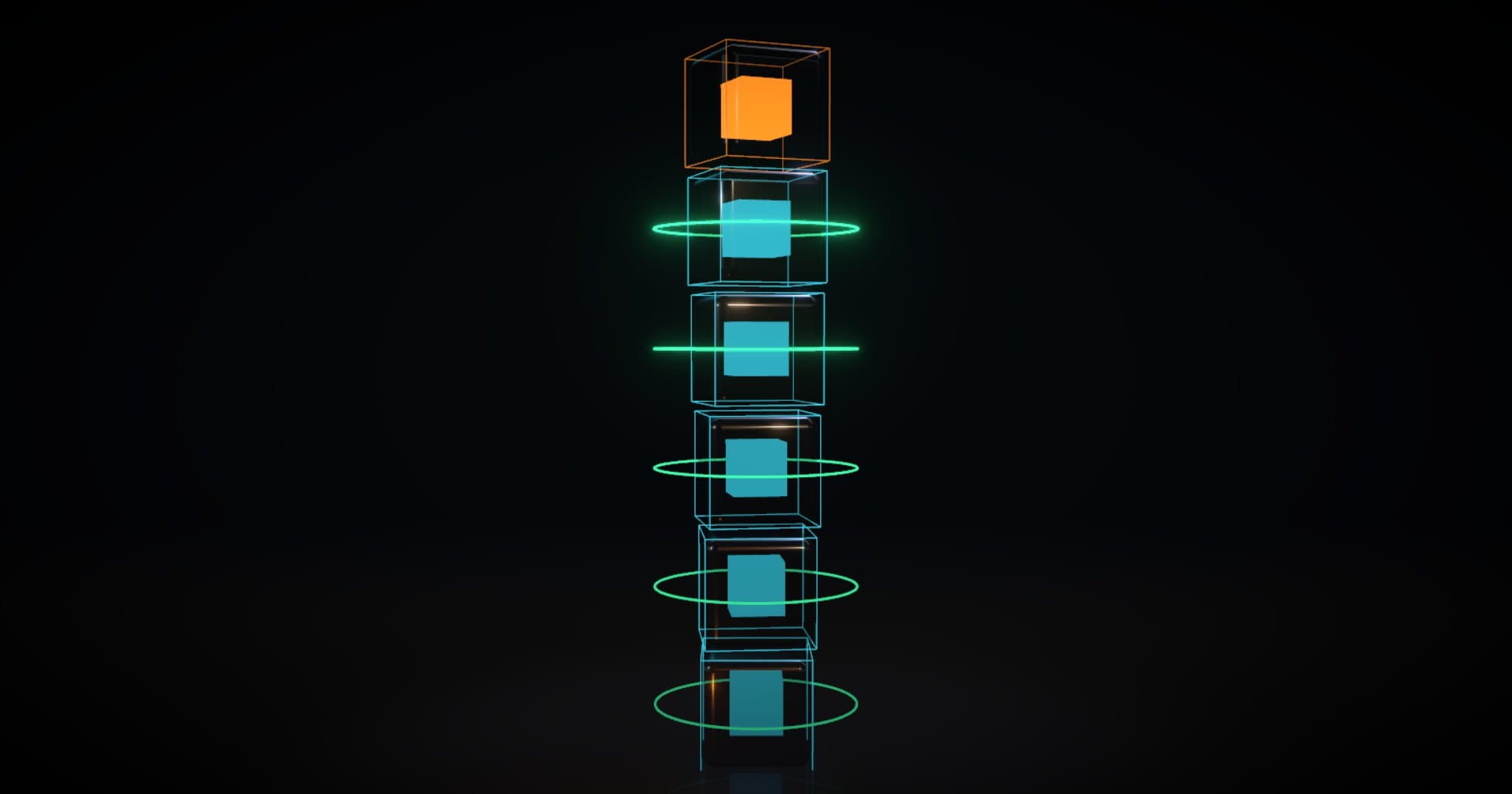
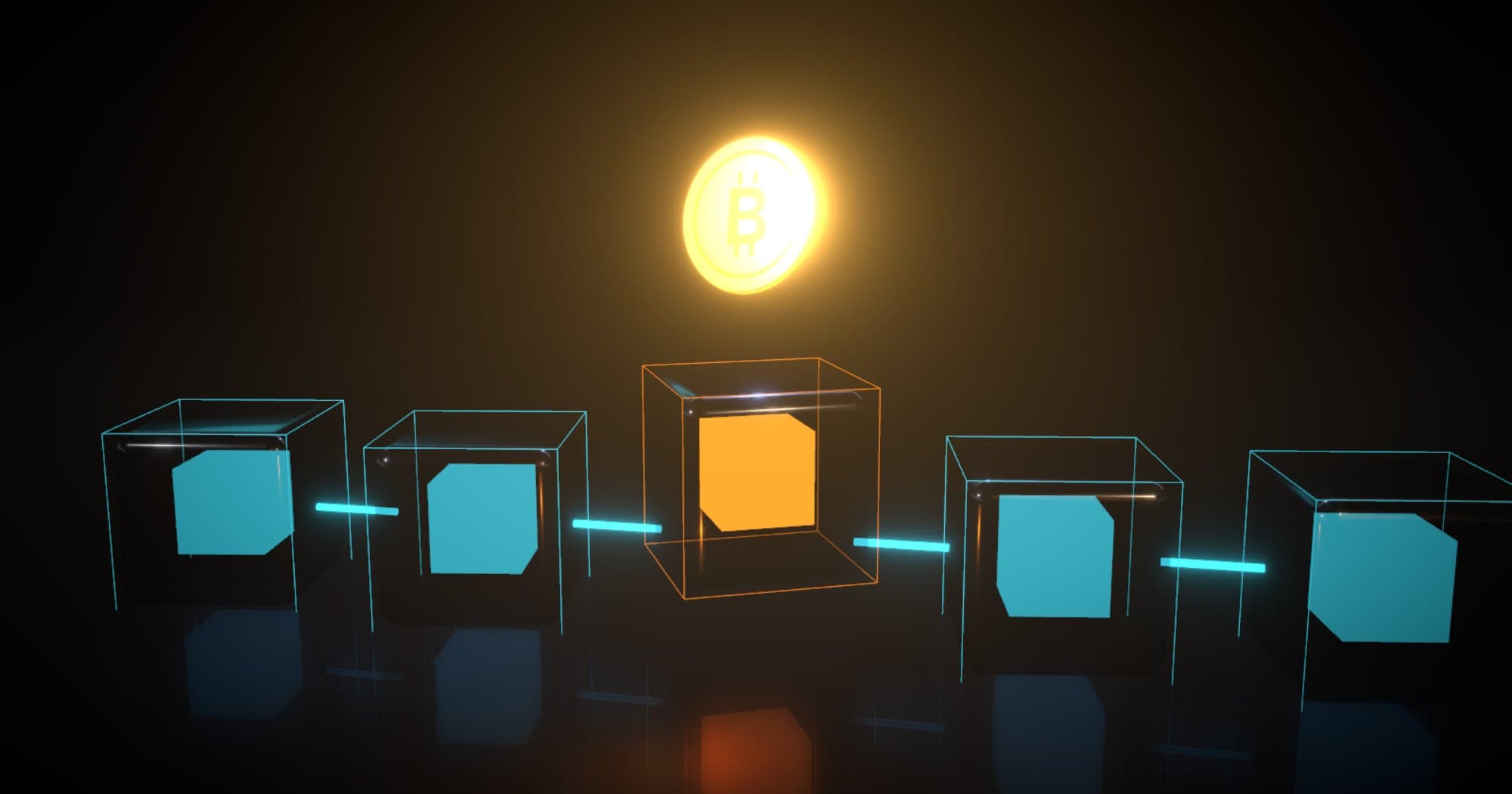
Miners collect pending transactions waiting in a public queue (the "mempool"), check that each one is valid, and bundle them into a candidate block. A block is simply a page of the ledger: a batch of transactions plus a small header that links it to the previous block. That link is what turns separate pages into a blockchain.
But a miner cannot just publish its block. First, it has to win a lottery that the whole network can verify.
The proof-of-work puzzle
Each block header is run through a mathematical function called SHA-256, which turns any input into a seemingly random 64-character fingerprint, a hash. Change a single character of the input and the hash changes completely. There is no shortcut to predict the output: the only way to get a particular kind of hash is to try, over and over.
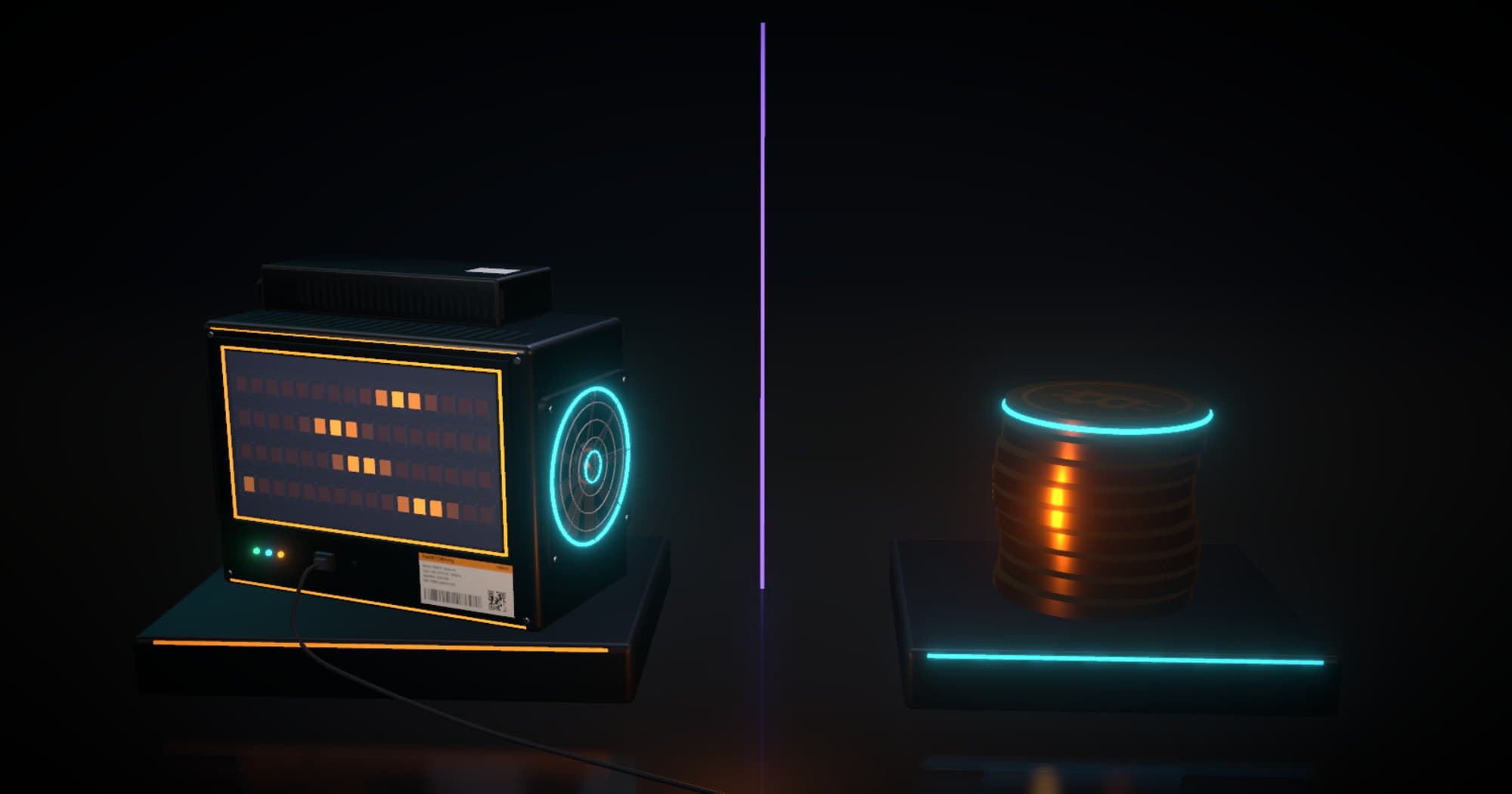
The network sets a target, and a block is only valid if its hash is below that target, which in practice means it starts with a long run of zeros. Miners change a small number in the header (the "nonce") and hash again, and again, trillions of times per second, until one of them finds a winning hash. The number of guesses a machine makes per second is its hashrate.
A useful analogy
Imagine millions of people rolling dice, looking for a result below a very low number. Nobody can get better at rolling. The only way to win more often is to roll more dice, faster. That is mining.
Why the puzzle makes the ledger honest
Finding a valid hash takes enormous work. Checking it takes one calculation. So when a miner announces a block, every computer on the network can verify it in a split second and reject it if anything is off, such as a double spend or a forged signature.
To rewrite history, an attacker would have to redo the work for the block they want to change and for every block that came after it, faster than the rest of the network combined. With the network running at roughly a zettahash, a billion trillion guesses per second, that is a staggeringly expensive bet with no realistic payoff. It is cheaper to play by the rules, and that is the whole point.
How miners get paid
Every block includes one special transaction that pays the winning miner. It has two parts:
- The block subsidy. Newly created bitcoin, currently 3.125 BTC per block. This is the only way new coins come into existence. The subsidy is cut in half every 210,000 blocks in an event called the halving.
- Transaction fees. Every user who wants a transaction included attaches a small fee. The miner who includes it collects it.
- Average time between two blocks
- ~10 min
- Average time between two blocks
- Block subsidy since the April 2024 halving
- 3.125 BTC
- Block subsidy since the April 2024 halving
- Maximum number of bitcoin that will ever exist
- 21M
- Maximum number of bitcoin that will ever exist
Because a single block is one prize for the whole planet, individual miners almost never win one alone. Most of them combine their hashrate in mining pools and share rewards in proportion to the work they contribute, which turns a lottery ticket into a steady stream of small payouts.
Why blocks keep arriving every 10 minutes
More miners means more guesses per second, so you might expect blocks to come faster and faster. They do not. Every 2,016 blocks, roughly every two weeks, the network looks at how fast the last batch was found and adjusts the target to bring the average back to 10 minutes. This difficulty adjustment is one of the most elegant pieces of Bitcoin's design: the issuance schedule stays predictable no matter how much computing power joins or leaves.
What it takes to mine today
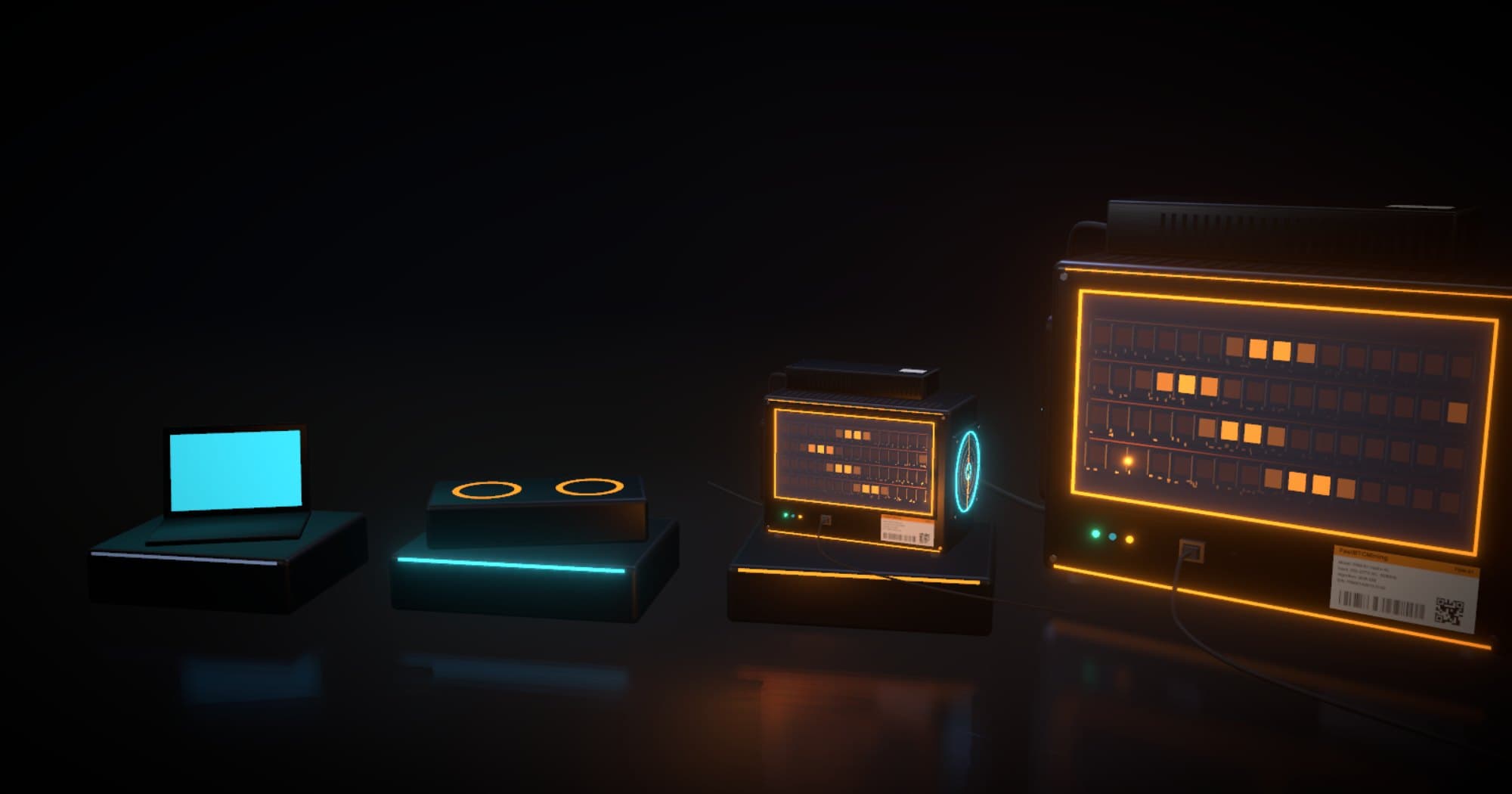
In Bitcoin's early days, a laptop could find blocks. Today, mining is done by specialized machines called ASICs, chips designed to compute SHA-256 and nothing else, running in facilities with cheap electricity and serious cooling. If you are curious about what is inside one, read our tour of an ASIC miner.
That leaves anyone who wants to take part with two main options:
- Buy and run a machine yourself. You pay for the hardware upfront, then for the electricity, and you deal with the noise, the heat and the maintenance.
- Rent hashrate in the cloud. You pay for a share of machines already running in a data center and receive the rewards that share produces.
We compare both paths honestly, costs and trade-offs included, in Cloud Mining vs. Running an ASIC at Home.
Frequently asked questions
Is Bitcoin mining legal?
In most countries, yes. A handful of jurisdictions restrict or ban it, so check the rules where you live. Renting hashrate is generally treated like any other online service, but you remain responsible for reporting your rewards for tax purposes.
Can I mine Bitcoin on my computer or phone?
Technically, yes. Profitably, no. A modern ASIC is millions of times faster at SHA-256 than a laptop processor, so a computer's odds of contributing anything meaningful are effectively zero, while it still consumes electricity.
What happens when all 21 million bitcoin are mined?
The subsidy shrinks with every halving and reaches zero around the year 2140. From then on, miners will be paid by transaction fees alone. Nobody knows exactly how fee markets will look by then, but the network has well over a century to adapt.
Is mining the same as buying bitcoin?
No. Buying gives you coins at today's price. Mining gives you a share of the new coins and fees the network produces over time, which depends on factors like difficulty and the block reward. Mining rewards are variable and not guaranteed.
This article is for general information only and is not financial, investment, legal or tax advice. Mining rewards depend on network difficulty, block rewards and the price of Bitcoin, and are not guaranteed.