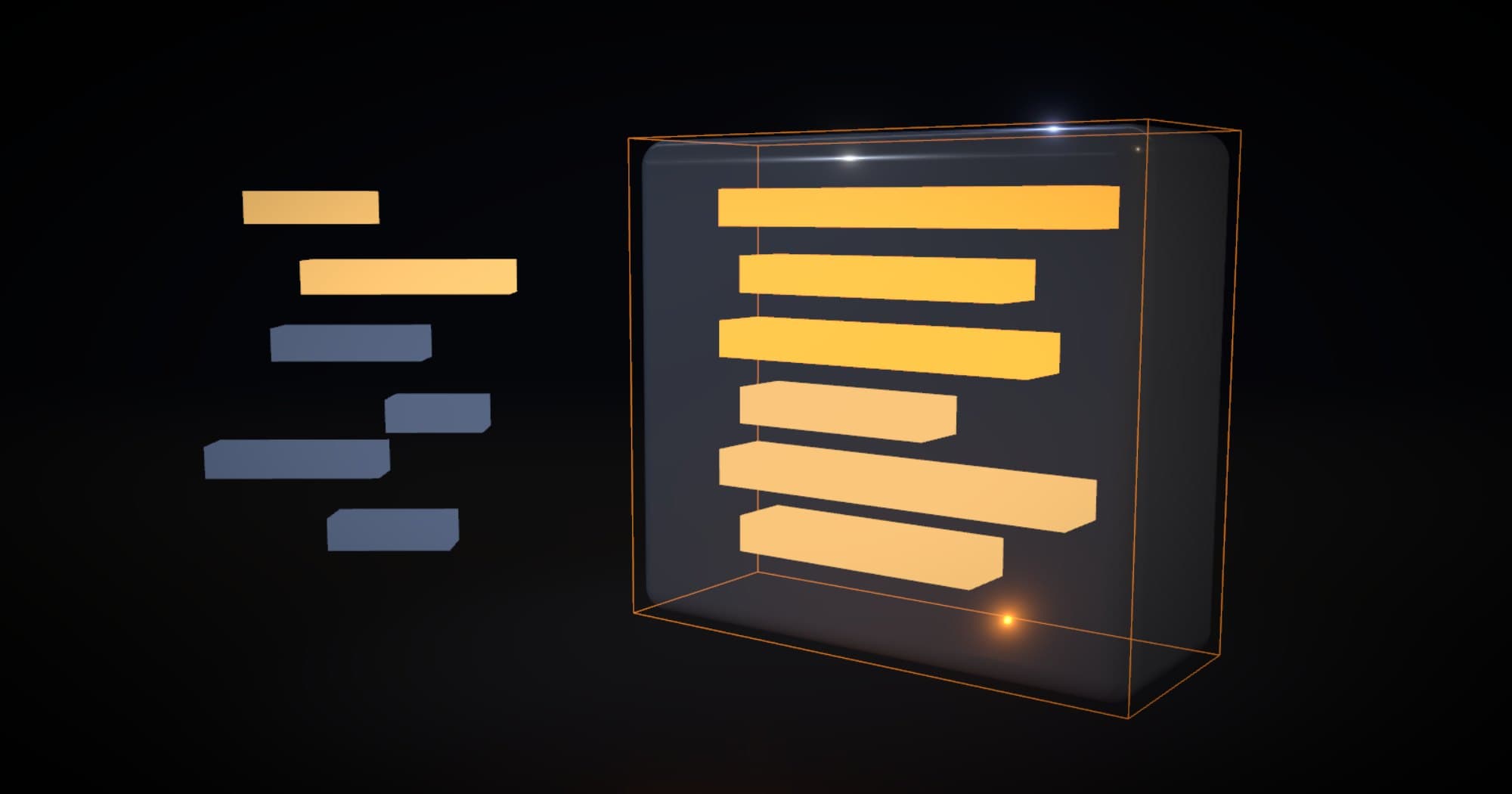
A Bitcoin block is a single prize for the whole planet, awarded roughly every 10 minutes. Mining alone, even with a warehouse full of machines, is a lottery you might not win for years. That is why almost every miner in the world joins a mining pool. Here is how pools work, how they share rewards, and why they are less centralized than they look.
Key takeaways
- A mining pool combines the hashrate of many miners and shares the rewards in proportion to the work each one contributes.
- Pools measure work with shares: easier-to-find hashes that prove a miner is genuinely working.
- The main payout models are PPS, FPPS and PPLNS. They differ in who carries the risk of bad luck and whether transaction fees are included.
- Pools coordinate hashrate, but they do not own it. Miners can switch pools in minutes.
The problem pools solve: variance
Suppose you control one ten-millionth of the network's hashrate. On average, you would find one block every 10 million blocks or so, which is about 190 years at 144 blocks a day. Your expected reward is real, but you would almost certainly never see it.
Pools solve this with simple arithmetic. If thousands of miners combine their hashrate, the pool as a whole finds blocks regularly, and each miner receives a slice of every block in proportion to its contribution. Same expected value, far less randomness. Instead of a lottery ticket, you get a steady income stream.
How a pool measures your work: shares
A pool cannot pay you for blocks you did not find, so it needs a way to measure effort. The trick is the share.
The pool gives every miner a much easier target than the real network one. Hashes that meet this easy target, but not the real one, are sent to the pool as shares. They prove that a miner is hashing honestly and let the pool count how much work each participant does. Every so often, one of those hashes also meets the network's real target. That is a block, and the reward goes to the pool.
Why shares cannot be faked
A share is a real hash of a real block template. Producing one requires the same work as any other attempt, and the pool can verify it instantly. There is no shortcut.
How pools pay: PPS, FPPS and PPLNS
Different pools split rewards in different ways. The model changes who carries the risk of bad luck.
PPS: pay per share
The pool pays a fixed amount for every valid share, based on its expected value, whether or not the pool actually finds a block. The pool absorbs all the variance, so it usually charges a higher fee. Classic PPS covers only the block subsidy, not transaction fees.
FPPS: full pay per share
Like PPS, but the expected transaction fees are included too. FPPS is the most common model among large pools today because it gives miners predictable, full-value payouts.
PPLNS: pay per last N shares
When the pool finds a block, the reward is split among the miners who submitted the last N shares. If the pool has a lucky streak, miners earn more; during an unlucky one, less. Fees are usually lower, but payouts are bumpier.
| Model | Includes fees | Who carries bad luck | Payout smoothness |
|---|---|---|---|
| PPS | No | The pool | Very smooth |
| FPPS | Yes | The pool | Very smooth |
| PPLNS | Yes | The miners | Varies with pool luck |
Do pools centralize Bitcoin?
It is a fair question, since a few large pools find a big share of all blocks. But a pool is not a company that owns the machines. It is a coordinator. The hashrate belongs to thousands of independent miners, and switching pools is a matter of changing one line in a configuration.
If a pool misbehaved, for instance by censoring transactions or trying to rewrite recent blocks, miners would have every reason to leave, and they can do it in minutes. That has happened before: when one pool came close to half of the network's hashrate in 2014, miners moved away of their own accord.
Newer protocols go further. Stratum V2, an upgraded communication protocol between miners and pools, allows individual miners to choose which transactions go into the blocks they work on, rather than leaving that choice to the pool operator.
What about solo mining?
Solo mining still exists, and every now and then a small solo miner finds a whole block and makes the news. It is a genuine lottery: possible, exciting, and very unlikely for any given miner. For anyone who needs predictable results, pooling is the rational choice.
To see how the network keeps this whole system in balance as miners join and leave, read The Difficulty Adjustment.
Frequently asked questions
Do I need to join a mining pool?
If you run your own ASIC, practically yes, unless you want to gamble on solo mining. If you rent hashrate from a cloud mining provider, the provider handles pool membership for you.
How much do mining pools charge?
Fees vary by pool and by payout model, from zero to a few percent of rewards. Models that absorb the risk for you, like FPPS, typically cost more than PPLNS.
Can a mining pool steal my bitcoin?
A pool controls the payouts it owes you until it sends them, so choosing a reputable pool matters. It cannot touch bitcoin you have already withdrawn to your own wallet, which is why regular withdrawals are a good habit.
This article is for general information only and is not financial, investment, legal or tax advice. Mining rewards depend on network difficulty, block rewards and the price of Bitcoin, and are not guaranteed.