Every four years or so, the amount of new bitcoin created with each block is cut in half. The event is called the halving, and it is written into Bitcoin's code. It is the reason there will never be more than 21 million bitcoin, and it is the single biggest scheduled event in the life of every miner. Here is how it works, what the 2024 halving changed, and what to expect from the next one in 2028.
Key takeaways
- The block subsidy, the new bitcoin paid to the miner of each block, halves every 210,000 blocks, roughly every four years.
- It started at 50 BTC in 2009. Since April 2024 it is 3.125 BTC. The next halving, expected around spring 2028, will bring it to 1.5625 BTC.
- The halving is what caps Bitcoin's supply at 21 million coins.
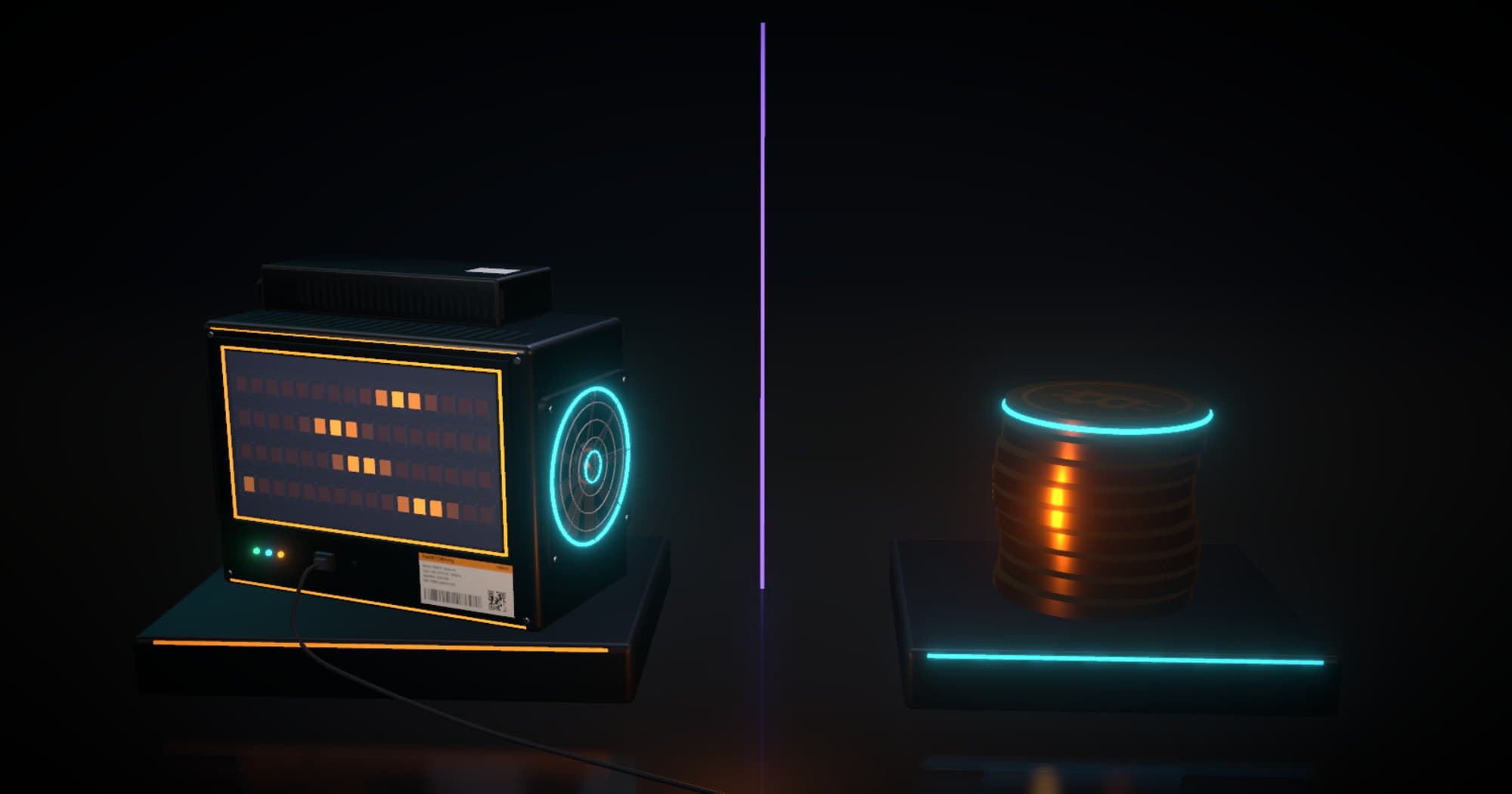
- For miners, a halving cuts block rewards in half overnight, which puts a premium on efficient hardware and cheap power.
How the halving works
As we explain in What Is Bitcoin Mining?, the miner who finds a block is paid in two ways: transaction fees, and a subsidy of newly created bitcoin. The subsidy is the only way new coins enter circulation.
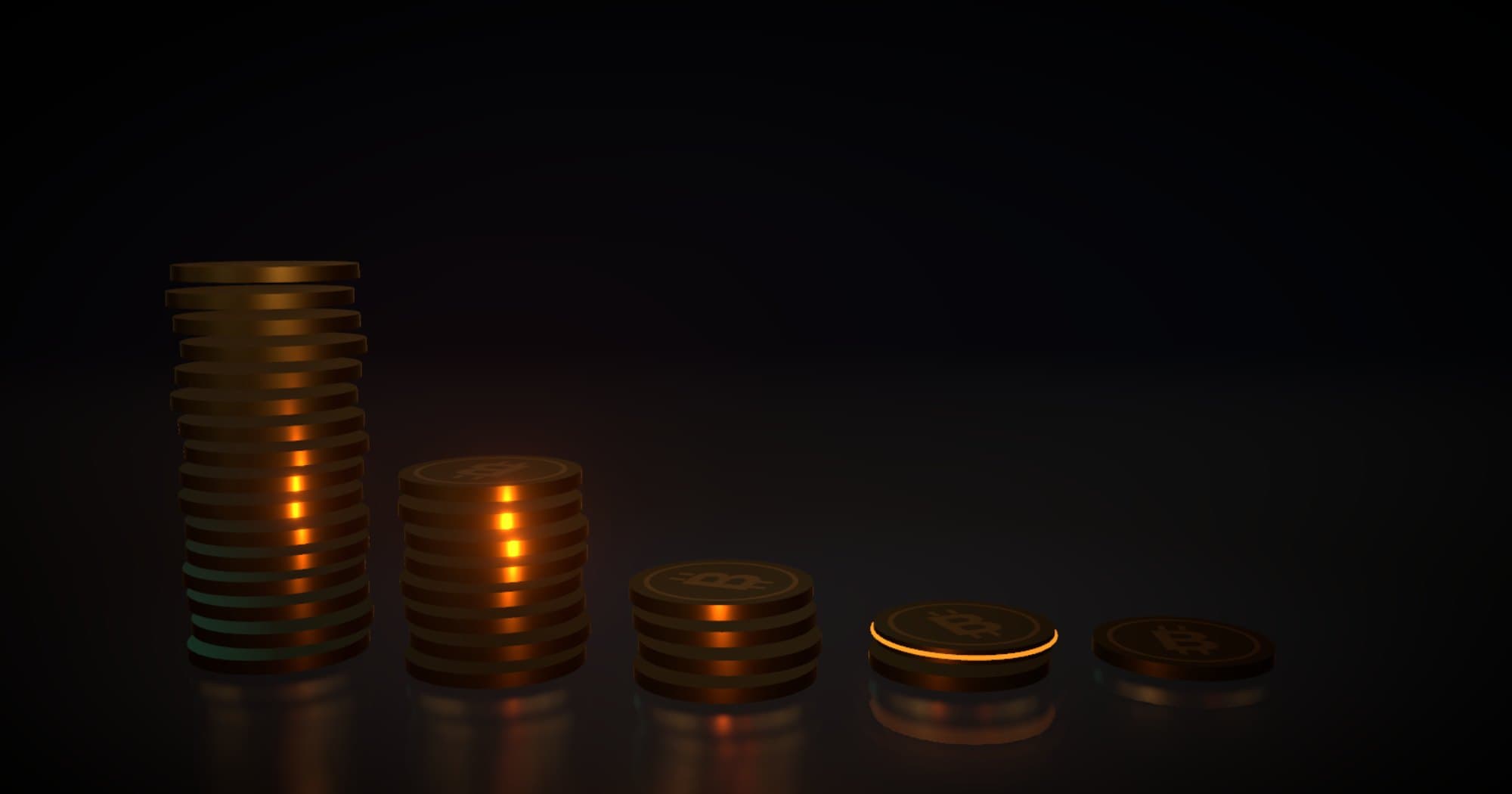
Bitcoin's code says the subsidy is cut in half every 210,000 blocks. Since a block arrives about every 10 minutes, that works out to roughly every four years. The schedule is counted in blocks, not dates, and the difficulty adjustment keeps block times close enough to 10 minutes that the four-year rhythm holds.
Every halving so far
| Era | Block height | Date | Subsidy per block |
|---|---|---|---|
| Launch | 0 | January 2009 | 50 BTC |
| 1st halving | 210,000 | November 2012 | 25 BTC |
| 2nd halving | 420,000 | July 2016 | 12.5 BTC |
| 3rd halving | 630,000 | May 2020 | 6.25 BTC |
| 4th halving | 840,000 | April 2024 | 3.125 BTC |
| 5th halving | 1,050,000 | Expected spring 2028 | 1.5625 BTC |
- Subsidy per block since April 2024
- 3.125 BTC
- Subsidy per block since April 2024
- New bitcoin issued per day today
- ~450 BTC
- New bitcoin issued per day today
- Year the last satoshi should be mined
- ~2140
- Year the last satoshi should be mined
Why it caps the supply at 21 million
Add up the subsidies across every era: 210,000 blocks × 50 BTC, plus 210,000 × 25, plus 210,000 × 12.5, and so on. Each term is half the previous one, so the sum converges toward 21 million and never exceeds it. More than 95% of all bitcoin has already been mined, but because each era issues half as much as the last, the remaining sliver will take more than a century to come out, with the subsidy reaching zero around the year 2140.
The effect on new supply is easy to see. After the 2024 halving, the network issues about 450 BTC per day, which is under 1% of the existing supply per year. After 2028, it will be about 225 BTC per day, around 0.4% per year, a rate of new issuance lower than gold's.
What the 2024 halving changed
On April 20, 2024, at block 840,000, the subsidy fell from 6.25 to 3.125 BTC. Overnight, every miner on Earth earned half as much new bitcoin per unit of hashrate.
What followed is a pattern seen at every halving:
- The least efficient machines were switched off. Older models that were barely covering their electricity costs stopped making sense.
- Fees briefly mattered more. The halving block itself carried an unusually large amount of fees, as people rushed to be part of it. Over time, fees are expected to make up a growing share of miners' income as the subsidy keeps shrinking.
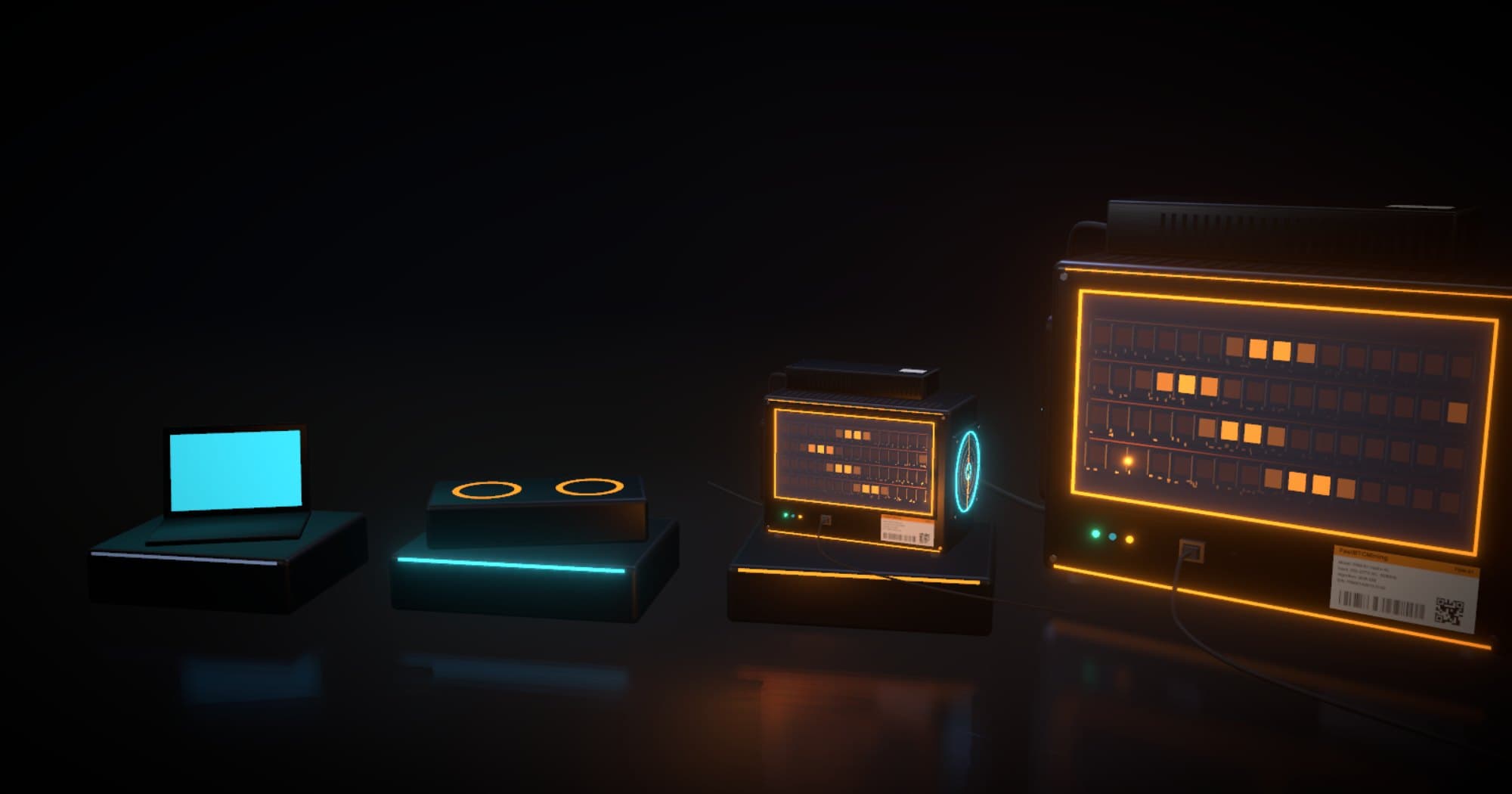
- The industry consolidated around efficiency. The race to lower joules per terahash, which we cover in Inside an ASIC Miner, accelerated.
What to expect from the 2028 halving
The fifth halving is scheduled for block 1,050,000. At the current pace, that should land around spring 2028, though the exact date will depend on how fast blocks are found until then. The subsidy will drop to 1.5625 BTC.
What will matter most for miners:
- Efficiency. Machines that are comfortably efficient today may be marginal after 2028.
- Power costs. With half the subsidy, the gap between cheap and expensive electricity becomes even more decisive. See Bitcoin Mining and Energy for why miners chase stranded and surplus power.
- Fees. The more the network is used, the more fees can offset the shrinking subsidy.
About price predictions
You will read plenty of claims that halvings automatically push the price of Bitcoin up. Past cycles do not guarantee future ones, and the halving is widely known in advance. Treat any prediction, including optimistic ones, with healthy skepticism.
Frequently asked questions
When is the next Bitcoin halving?
At block 1,050,000, expected around spring 2028. You can estimate the exact date by counting the remaining blocks and assuming about 10 minutes per block.
What happens to miners after a halving?
Their bitcoin income from the subsidy is cut in half overnight. Miners with efficient hardware and cheap electricity keep running; others switch off, which lowers the network's hashrate until difficulty adjusts.
What happens when all bitcoin has been mined?
Around 2140, the subsidy reaches zero and miners will be paid by transaction fees alone. Bitcoin's security will then depend on there being enough demand for block space to keep mining worthwhile.
This article is for general information only and is not financial, investment, legal or tax advice. Mining rewards depend on network difficulty, block rewards and the price of Bitcoin, and are not guaranteed.