Bitcoin mining started on one person's computer and grew, in under two decades, into a global industry running at more than a billion trillion hashes per second. Its history is a story of hardware races, clever coordination, a dramatic exodus and a steady march toward cheaper power. Here are the moments that shaped it.
Key takeaways
- 2009: Satoshi Nakamoto mines the first block on an ordinary computer.
- 2010: graphics cards take over, and the first mining pool appears.
- 2013: the first ASIC miners arrive, and mining becomes specialized hardware.
- 2021: China bans mining and the industry relocates in months, largely to North America.
- 2025: the network passes 1 zettahash per second.
2009: one block, one computer
On January 3, 2009, Satoshi Nakamoto mined Bitcoin's first block, the genesis block. Embedded in it was a newspaper headline of the day: "Chancellor on brink of second bailout for banks", a timestamp and a statement of intent.
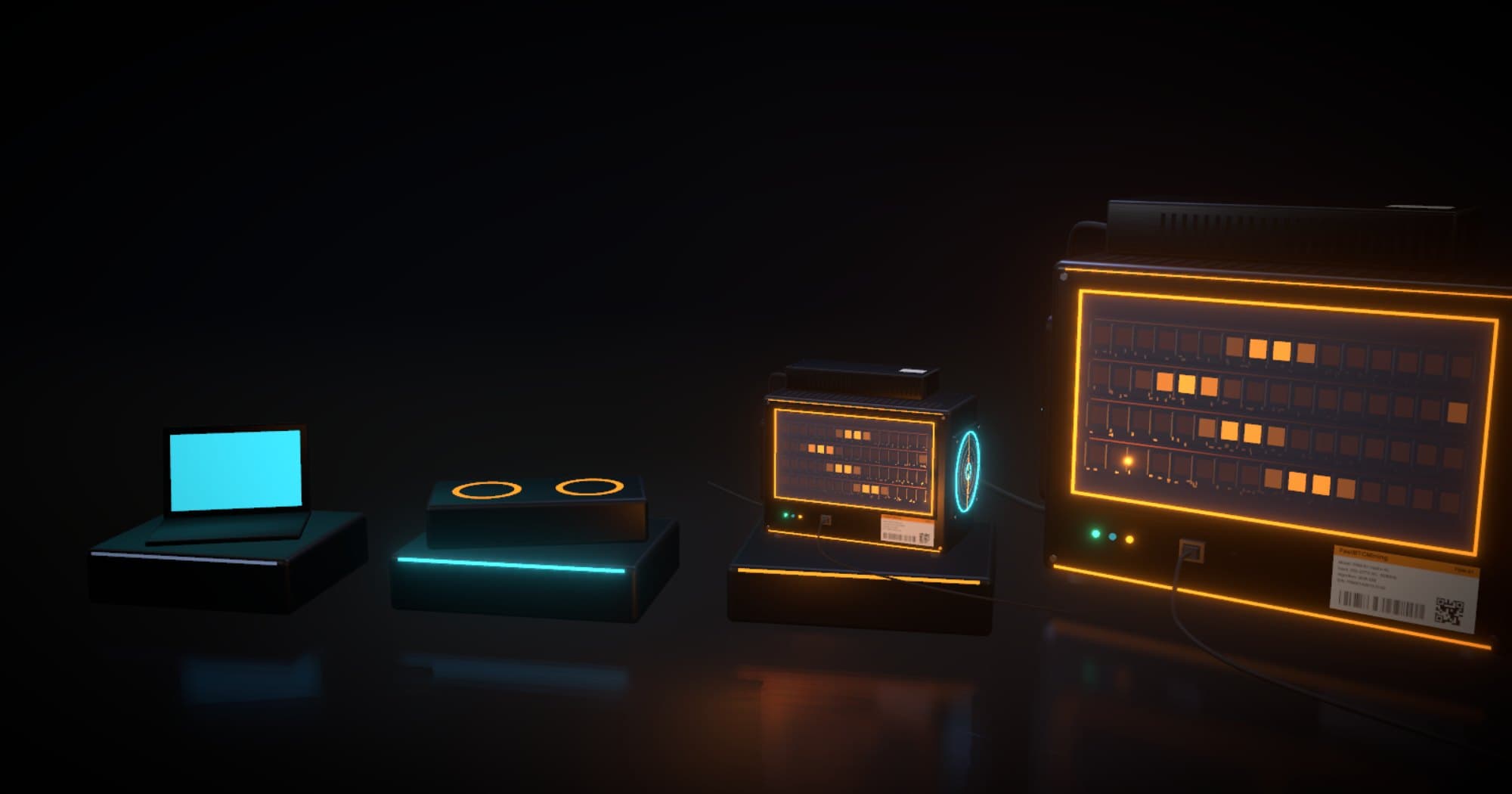
For most of that first year, a handful of enthusiasts mined with the processors of their personal computers. Blocks paid 50 BTC each, and coins had no market price to speak of.
2010: GPUs and the first pool
In 2010, miners discovered that graphics cards, built to run thousands of small calculations in parallel, were dozens of times faster at hashing than processors. Laszlo Hanyecz, famous for buying two pizzas for 10,000 BTC in May 2010, is credited as one of the first to mine with a GPU.
As more hashrate joined, finding a block alone became a long shot. In late 2010, the first mining pool was launched, letting miners combine their power and share the rewards. Pooling has been the norm ever since, as we explain in Mining Pools Explained.
2011 to 2013: from FPGAs to ASICs
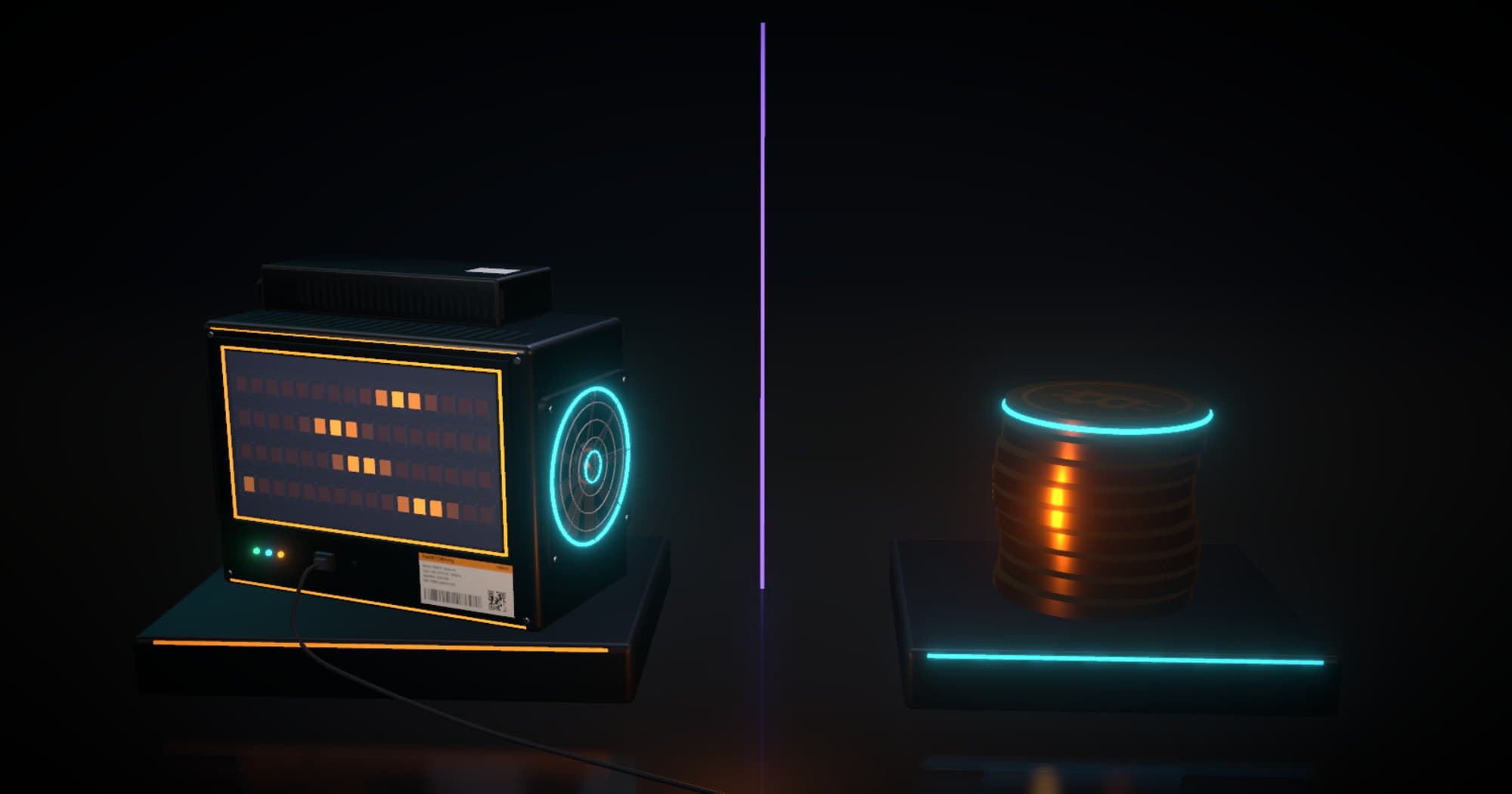
Reprogrammable FPGA chips offered a brief efficiency advantage in 2011. Then, in early 2013, the first ASIC miners shipped: chips designed to compute SHA-256 and nothing else. Within months, every other kind of hardware became obsolete for Bitcoin mining.
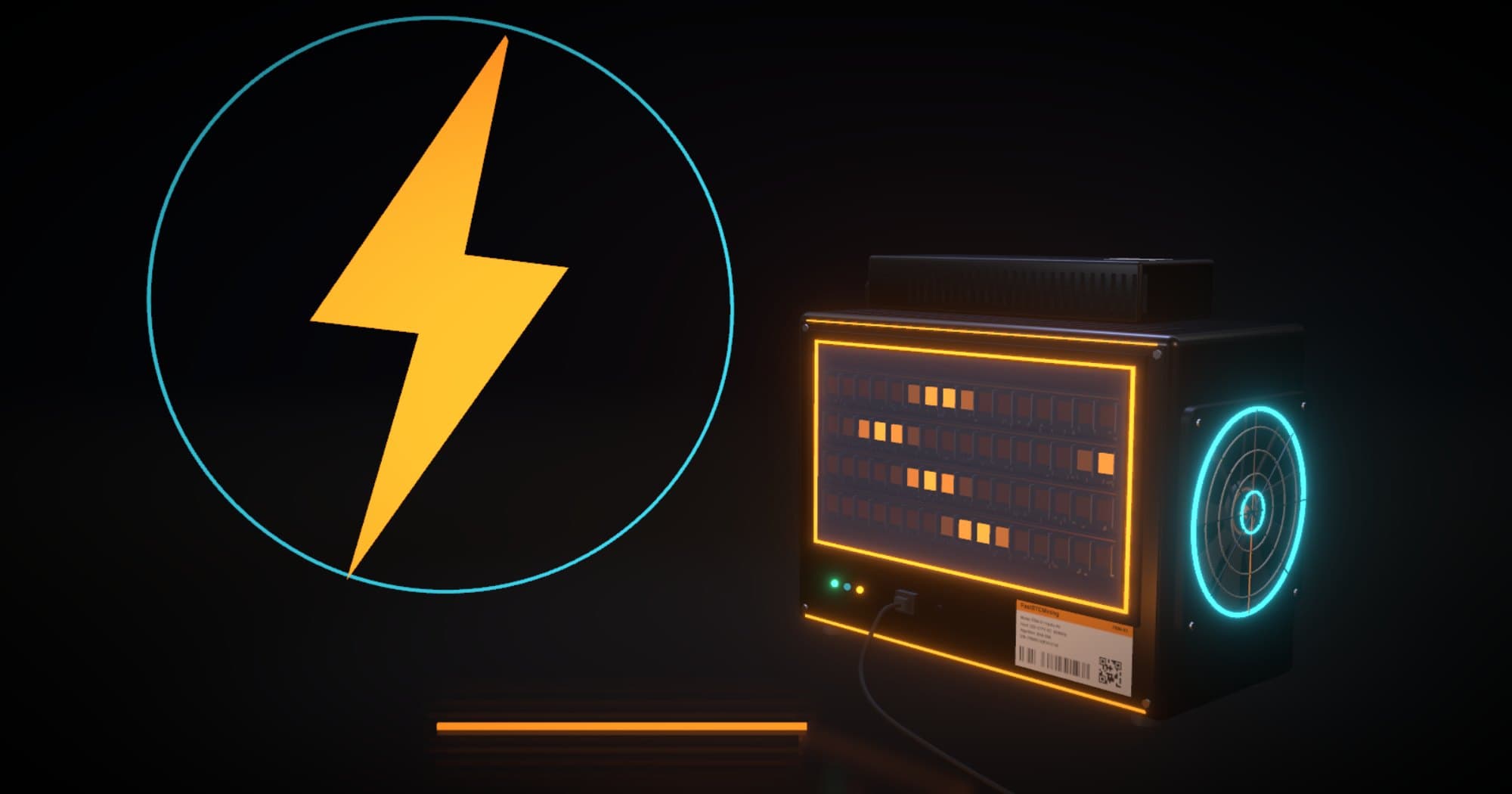
From then on, the race was about efficiency. Each generation squeezed more hashes out of every watt, which we cover in detail in Inside an ASIC Miner.
- Block subsidy in 2009
- 50 BTC
- Block subsidy in 2009
- First ASIC miners ship
- 2013
- First ASIC miners ship
- Network hashrate, first reached in 2025
- ~1 ZH/s
- Network hashrate, first reached in 2025
2014 to 2020: the industrial era and China
As hardware became specialized, mining became a business. Large farms appeared wherever electricity was cheap, and China, with its hardware manufacturers and abundant seasonal hydropower, became the center of the industry. By 2019, estimates put China's share of the network's hashrate at around three quarters.
The period also brought the first three halvings, in 2012, 2016 and 2020, each cutting the subsidy in half and pushing the least efficient miners out.
2021: the great mining migration
In May 2021, China moved to ban Bitcoin mining. Within weeks, roughly half of the network's hashrate went dark. Blocks slowed down, and the difficulty adjustment responded with its largest downward step on record, about 28%.
Then came one of the fastest industrial relocations ever seen. Machines were packed, shipped and plugged in again across North America, Central Asia and elsewhere. By early 2022, the United States had become the largest mining country, with Texas as a major hub thanks to its cheap power and flexible grid programs.
2022 to today: maturity
The years since have turned mining into a mature industry: publicly listed mining companies, long-term power contracts, liquid and immersion cooling, and miners acting as flexible consumers that switch off when the grid needs power. Sustainable sources now account for more than half of the energy used, according to the Cambridge Centre for Alternative Finance, a story we tell in Bitcoin Mining and Energy.
In April 2024, the fourth halving brought the subsidy to 3.125 BTC. In 2025, the network's hashrate passed 1 zettahash per second, a trillion times more than in its first days.
What history teaches about mining
- Hardware always gets outpaced. Every machine, however impressive at launch, is eventually overtaken.
- Mining follows cheap energy. Location matters less than the price and availability of power.
- The protocol absorbs shocks. Bans, migrations and crashes have all been handled by the same simple rules, without anyone in charge.
Frequently asked questions
Who mined the first bitcoin?
Satoshi Nakamoto, Bitcoin's pseudonymous creator, mined the genesis block on January 3, 2009.
When did people stop mining Bitcoin with computers?
Graphics cards overtook processors in 2010, and ASICs made all general-purpose hardware obsolete for Bitcoin mining from 2013 onward.
Which country mines the most Bitcoin today?
Since China's 2021 ban, the United States has been the largest mining country by most estimates, followed by countries with cheap, often surplus energy.
This article is for general information only and is not financial, investment, legal or tax advice. Mining rewards depend on network difficulty, block rewards and the price of Bitcoin, and are not guaranteed.