Key points
- FinCEN and the Federal Reserve Board withdrew a 2020 proposal to lower the cross-border Travel Rule threshold from $3,000 to $250.
- The withdrawal takes effect November 9; existing requirements are unchanged.
- The agencies cited the five-plus years since the proposal and major changes in the crypto industry and its legal framework.
- They left the door open to future rules tied to stablecoin regulation, which would need a new public comment period.
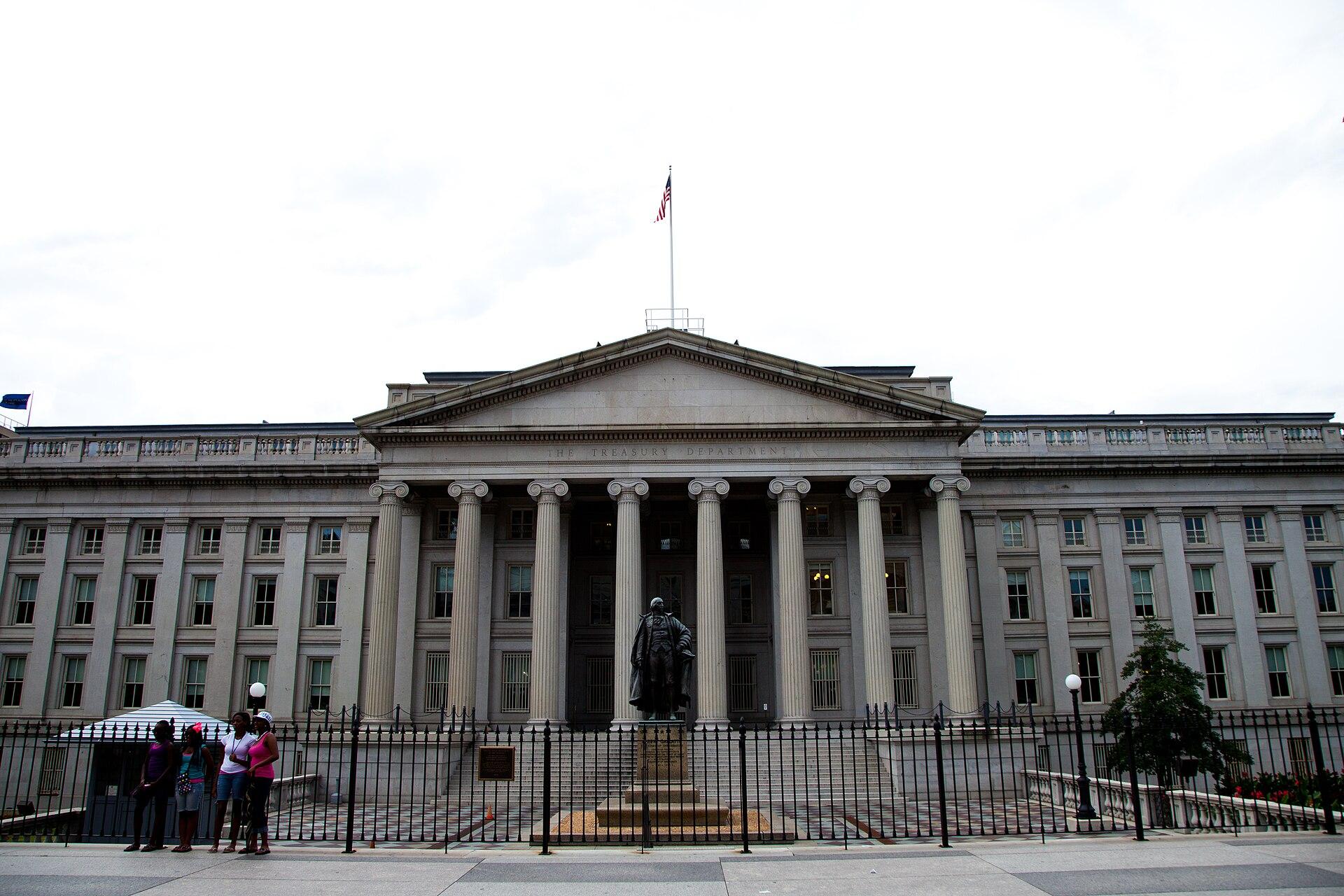
U.S. regulators have abandoned a plan that would have forced banks and crypto businesses to collect identifying information on far smaller international transfers. The Financial Crimes Enforcement Network (FinCEN), the Treasury Department's anti-money-laundering bureau, and the Federal Reserve Board filed a joint notice on Thursday, November 6, withdrawing a proposal first published in October 2020, according to crypto.news and Bloomingbit.
The proposal would have cut the reporting and recordkeeping threshold for transfers that begin or end outside the United States from $3,000 to $250. The withdrawal takes effect on November 9, and the current $3,000 threshold remains in force.
What the Travel Rule is
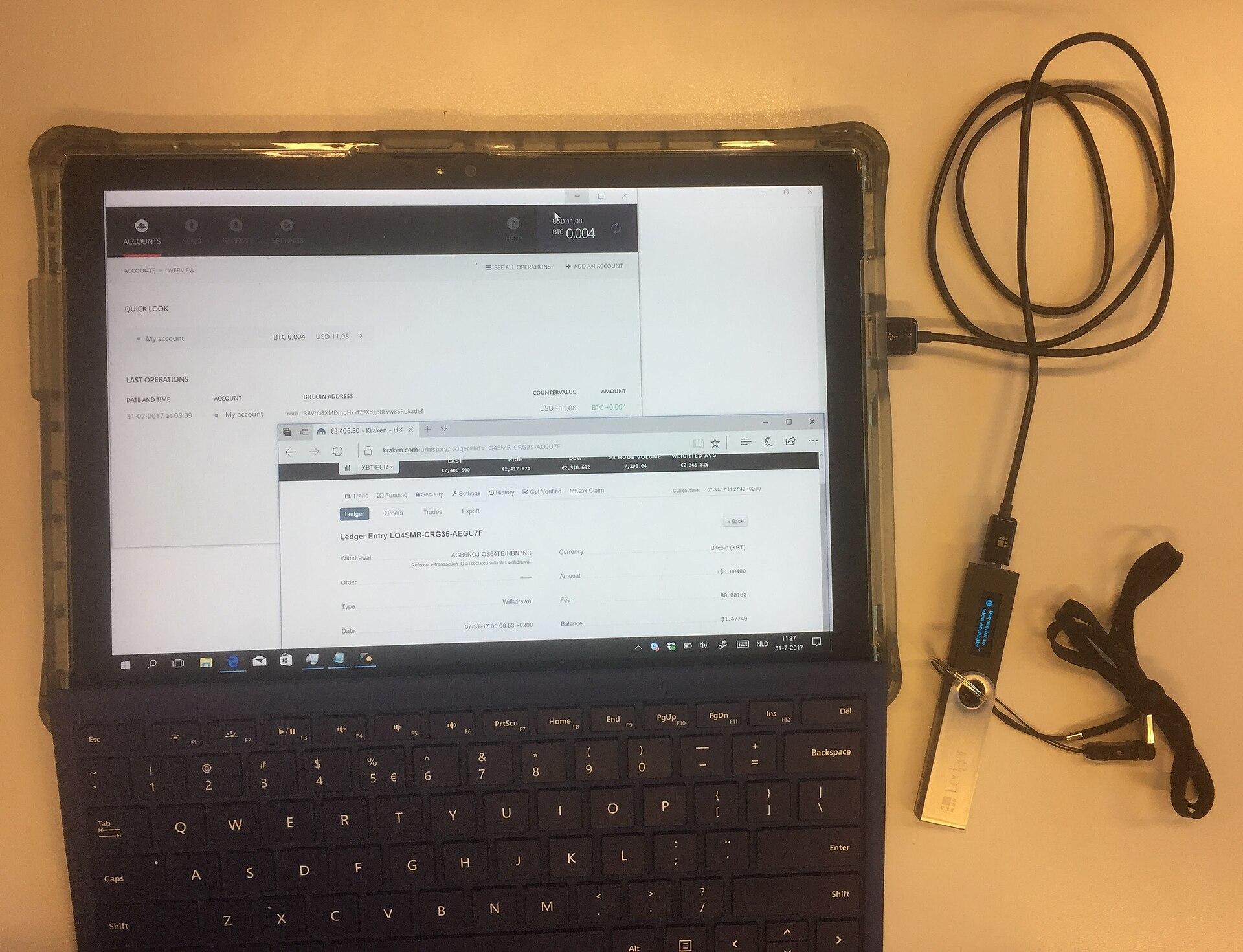
The Travel Rule is part of the Bank Secrecy Act framework. It requires covered financial institutions to collect identifying details about the sender and the recipient of qualifying transfers and to pass that information along with the payment. Under existing FinCEN guidance, crypto transfers of $3,000 or more handled by covered businesses, including those subject to money transmission rules, may fall under it.
The 2020 proposal went further than lowering the dollar amount. It would also have written convertible virtual currencies and digital assets with legal tender status explicitly into the rule's language. Domestic transfers would have kept the higher threshold, but exchanges and custodians would have had to gather customer data on many more small international payments, crypto.news reported.