Mining rewards only become truly yours once they sit in a wallet you control. Bitcoin is unforgiving: a transaction sent to the wrong address cannot be reversed, and a lost seed phrase cannot be reset. The good news is that a few simple habits remove almost all of the risk. This guide covers choosing a wallet, reading a Bitcoin address, protecting your keys and withdrawing safely.
Key takeaways
- A wallet does not hold coins. It holds the keys that let you spend bitcoin recorded on the blockchain.
- With a non-custodial wallet, you control the keys. With a custodial one, like an exchange account, someone else does.
- Your seed phrase (12 or 24 words) is the master backup of your wallet. Write it on paper, never type it into a website, never share it.
- Before every withdrawal: check the address, check the network, and send a small test amount the first time.
What a Bitcoin wallet really is
Your bitcoin never leaves the blockchain. What a wallet stores is a set of private keys, secret numbers that prove you are allowed to spend the bitcoin assigned to your addresses. Whoever has the keys controls the coins. That is the meaning of the Bitcoin saying "not your keys, not your coins."
Custodial or non-custodial?
Custodial wallets are accounts held for you by a company, typically an exchange. They are convenient: you log in with a password, and the company handles the keys. The trade-off is that you depend on that company's security and solvency.
Non-custodial wallets give you the keys directly. You are fully in control, and fully responsible. Nobody can freeze your funds, and nobody can recover them for you if you lose your backup.
Many people use both: a custodial account for buying and selling, and a non-custodial wallet for the bitcoin they intend to keep.
Hot wallets and cold wallets
- Hot wallets are apps on your phone or computer. They are free, easy and ideal for everyday amounts, but they live on a device connected to the internet.
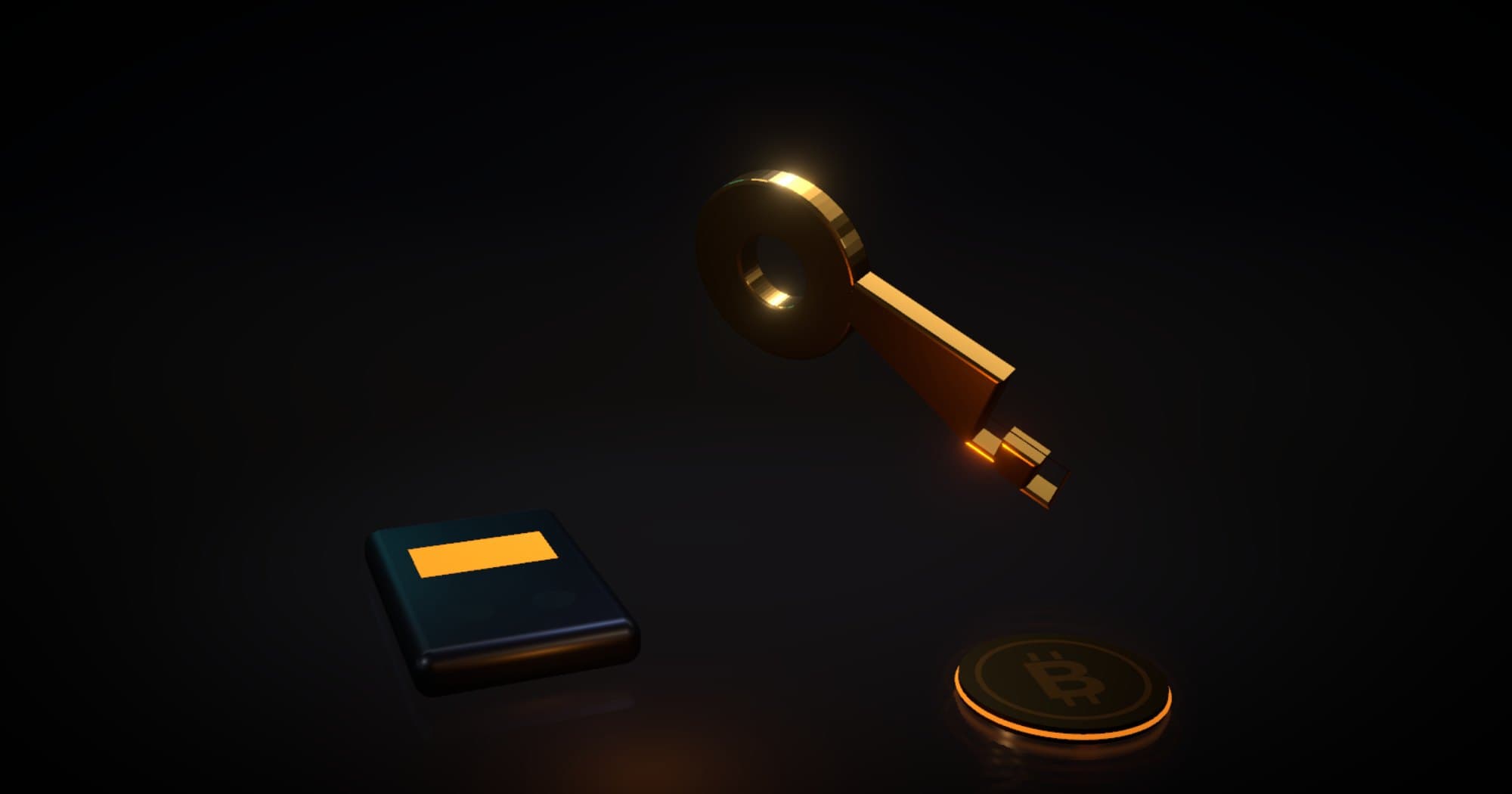
- Cold wallets, usually hardware wallets, are small dedicated devices that keep your keys offline. Transactions are signed on the device, so your keys never touch your computer. They are the standard choice for larger amounts.
A good rule of thumb: keep on a hot wallet only what you would be comfortable carrying in a physical wallet.
How to read a Bitcoin address
Bitcoin addresses come in a few formats, and modern wallets support all of them:
| Starts with | Format | Notes |
|---|---|---|
bc1q | Native SegWit | The most common format today, with lower fees |
bc1p | Taproot | The newest format, increasingly supported |
3 | Nested SegWit (P2SH) | Older, still widely used |
1 | Legacy | The original format, with higher fees |
An address is long on purpose and includes a built-in checksum, so a random typo almost always produces an invalid address rather than someone else's. The real danger is not typos. It is substitution.
Beware of clipboard malware
Some malware watches your clipboard and silently replaces a copied Bitcoin address with the attacker's. Always compare the first and last several characters of the pasted address with the one shown in your wallet before you confirm.
Protecting your seed phrase
When you create a non-custodial wallet, it shows you a seed phrase of 12 or 24 words. Those words can recreate every key in your wallet on any compatible device. Treat them like the keys to a safe:
- Write them down on paper, in order, and check them twice. Some people use a metal backup plate that survives fire and water.
- Never store them digitally: no screenshots, photos, cloud notes, emails or password managers you are not sure about.
- Never type them into a website or share them with anyone. No legitimate service, support agent or wallet provider will ever ask for your seed phrase.
- Store the backup somewhere safe, away from the device itself.
Withdrawing safely, step by step
- Get a receiving address from your wallet. Most wallets generate a new one each time, which is good for privacy.
- Check the network. Withdraw bitcoin on the Bitcoin network. Some exchanges also offer "BTC" on other blockchains as wrapped tokens; sending real bitcoin to one of those deposit addresses can lead to lost funds.
- Paste and verify the address, comparing the first and last characters.
- Start small. For a new address, send a small test amount first, confirm it arrives, then send the rest.
- Wait for confirmations. A Bitcoin transaction is final once it is included in a block, and safer with each block added after it.
On FastBTCMining, you request withdrawals from your dashboard. We process them in under 12 hours, with no withdrawal fee. Before your first withdrawal, we may ask you to verify your identity, as anti-money laundering rules require. Read How FastBTCMining Works for the full picture.
Don't forget taxes
In many countries, mining rewards are taxable when you receive them, and selling bitcoin later can trigger a separate tax event. Rules vary widely. Keep a record of every reward and withdrawal, and check with a tax professional where you live.
Frequently asked questions
Which Bitcoin wallet should I use?
For small amounts and convenience, a reputable mobile wallet is fine. For larger amounts, a hardware wallet is the standard. Whatever you choose, make sure it supports bc1 addresses and lets you back up your seed phrase.
Can I withdraw mining rewards directly to an exchange?
Usually, yes. Use the Bitcoin deposit address your exchange gives you, on the Bitcoin network. Keep in mind that bitcoin on an exchange is held in custody by that exchange.
What happens if I send bitcoin to the wrong address?
Bitcoin transactions cannot be reversed. If the address belongs to someone else, only they can send the funds back. That is why verifying the address and sending a test amount first are worth the extra minute.
This article is for general information only and is not financial, investment, legal or tax advice. Mining rewards depend on network difficulty, block rewards and the price of Bitcoin, and are not guaranteed.