Key points
- The Bank of England, the Monetary Authority of Singapore and the Bank of Thailand published results of Project Meridian FX APAC on November 13.
- The trial synchronized currency settlement across conventional (RTGS) and distributed ledger (DLT) systems, with Partior building the coordinating prototype.
- It worked, but in two cases the operator had to do more than the light, non-custodial role central banks want; in Singapore it briefly held funds in escrow.
- Only the Bank of England has committed to a live synchronization service, targeted for 2028.
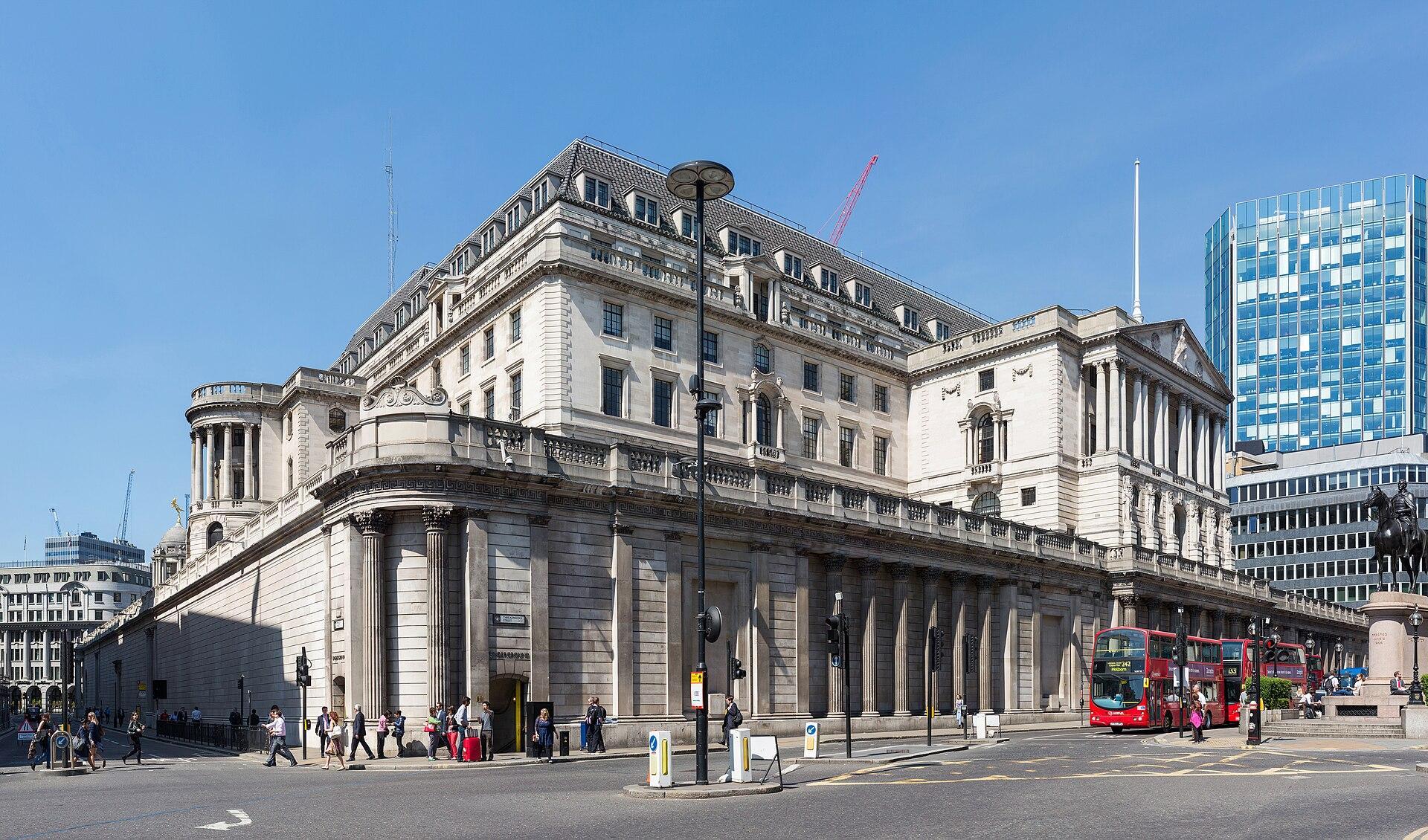
Three central banks have shown that a currency trade can settle on both sides at the same moment, even when one side runs on a traditional payment system and the other on a blockchain-style ledger. The Bank of England, the Monetary Authority of Singapore (MAS) and the Bank of Thailand published the results of Project Meridian FX APAC on November 13, according to MAS.
The problem it targets
In a foreign exchange (FX) trade, one party pays in one currency and receives another. If those two payments do not happen together, one side can pay and never get paid back, which is called settlement risk. MAS cites the Bank for International Settlements' 2025 survey: more than $1.4 trillion a day, about 10% of FX settlement, was still fully exposed to that risk in April 2025.
The fix is payment-versus-payment (PvP), where both legs settle together or not at all. The hard part is doing it across systems that were never built to talk to each other.