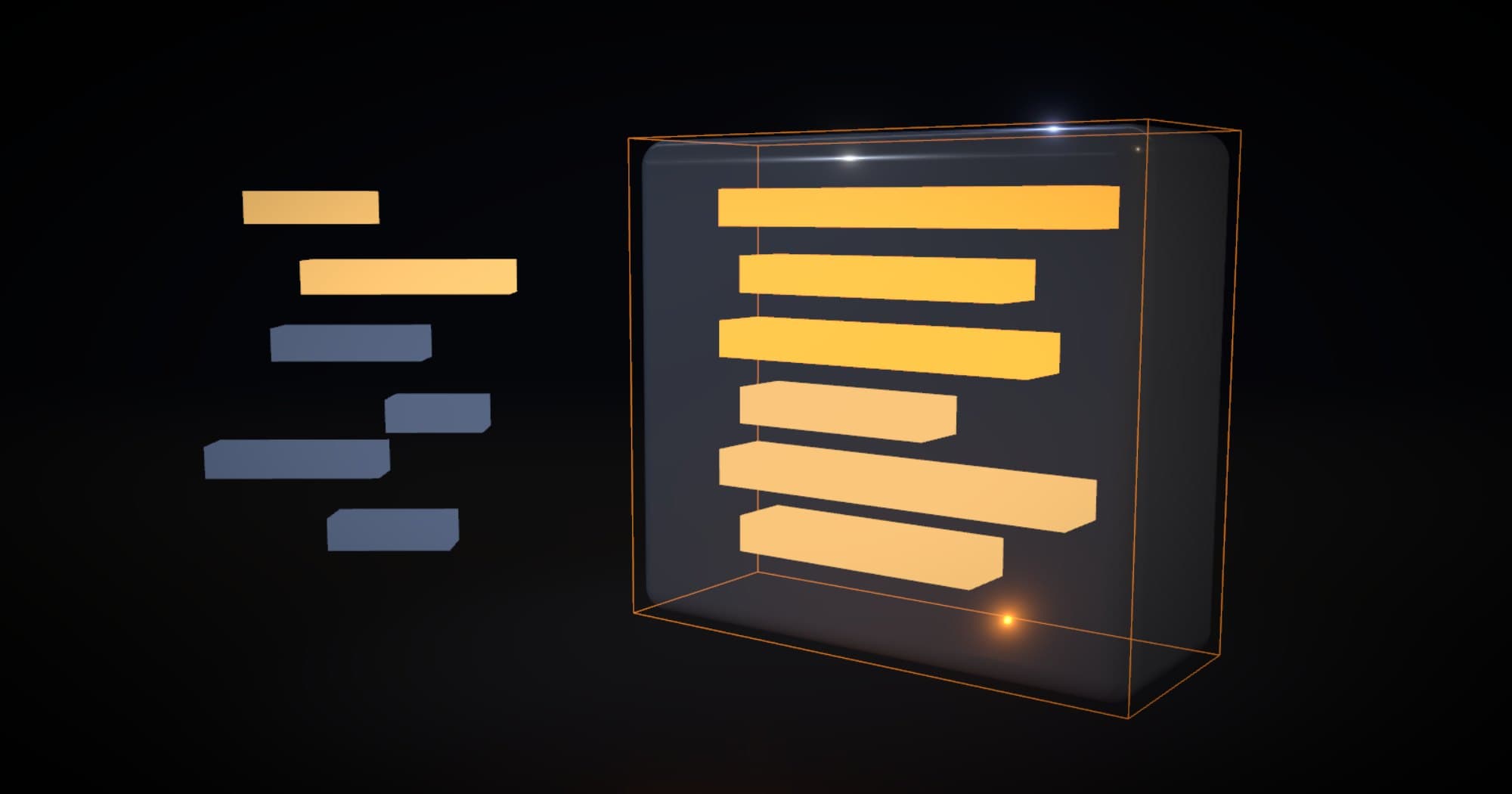
Every Bitcoin block has limited room, and there are usually more transactions waiting than space to hold them. So who gets in? The answer is a busy, constantly shifting marketplace called the mempool, and the price of admission is the transaction fee. Understanding it explains why fees spike, why some payments wait for hours, and how miners earn more than the block subsidy.
Key takeaways
- The mempool is the waiting room for valid transactions that are not in a block yet. Every node keeps its own.
- Block space is scarce, so users bid for it with fees. Miners prioritize transactions by fee rate, measured in satoshis per virtual byte (sat/vB), not by amount sent.
- Fees are the second part of a miner's income, alongside the block subsidy, and their share grows with every halving.
- Stuck transaction? Tools like Replace-by-Fee and Child-Pays-for-Parent let you raise the bid.
What the mempool is
When you send bitcoin, your wallet broadcasts a signed transaction to the network. Nodes check that it is valid, then keep it in memory and pass it on to their peers. That holding area is the mempool, short for memory pool.
There is no single, official mempool. Each node has its own, and they mostly agree because transactions spread across the network in seconds. A node also keeps its mempool in check: by default, Bitcoin Core caps it at 300 MB and drops transactions that have waited for two weeks without being confirmed.
Why block space is scarce
A block can hold at most 4 million "weight units", which works out to roughly 1 million virtual bytes of transaction data. One block arrives about every 10 minutes, kept steady by the difficulty adjustment. Supply is fixed. Demand is not. When many people want to transact at once, the queue grows and the price of a seat goes up.
How fees work
A Bitcoin fee is not a percentage of the amount you send. It depends on how much space your transaction takes in the block:
- A simple payment with one input and two outputs takes around 140 virtual bytes with a modern address.
- A transaction that combines dozens of small inputs takes far more space, and costs more, even if the amount is small.
The price is expressed as a fee rate in sat/vB (satoshis per virtual byte). At 10 sat/vB, a 140 vB transaction pays 1,400 satoshis, whether it moves $10 or $10 million.
Why modern addresses are cheaper
SegWit addresses, the ones starting with bc1, store part of each transaction in a discounted section of the block. The same payment takes fewer virtual bytes, so it pays less. Our wallet guide explains the address types.
How miners choose what goes in
A miner wants the most valuable block it can build. So it sorts the mempool by fee rate, highest first, and fills the block until there is no room left. Transactions that depend on each other are evaluated as a package, so a low-fee parent can ride along with a high-fee child.
The result is a simple rule of thumb: the higher your fee rate relative to everyone else's, the sooner you are confirmed. When the mempool is quiet, a low rate gets in within a block or two. When it is crowded, low-rate transactions can wait for hours, or until demand calms down.
- Room in one block, about 4M weight units
- ~1M vB
- Room in one block, about 4M weight units
- How fee rates are quoted
- sat/vB
- How fee rates are quoted
- Before a default node forgets an unconfirmed transaction
- 2 weeks
- Before a default node forgets an unconfirmed transaction
When fees spike
Fees rise whenever demand for block space jumps: market rallies and crashes, popular new uses of the chain, or one-off events. The block that triggered the April 2024 halving is a famous example: users competed to be included in it, and that single block collected an exceptional amount in fees, more than its block subsidy.
Spikes are usually temporary. Once the rush passes, the backlog clears and fee rates fall back.
Fixing a stuck transaction
If you paid too little and your transaction sits in the mempool, two tools can help:
- Replace-by-Fee (RBF). You broadcast a new version of the same transaction with a higher fee. Miners prefer the better offer, and the old version is dropped.
- Child-Pays-for-Parent (CPFP). The receiver, or you if the transaction sends change back to you, spends the unconfirmed output with a high fee. Miners include both together to collect the child's fee.
Most modern wallets offer at least one of these as a "speed up" button.
Why fees matter for Bitcoin's future
Today, the block subsidy still makes up most of a miner's income. But it halves every four years and reaches zero around 2140. From then on, fees will be the only reward for securing the network. A healthy fee market is how Bitcoin plans to pay for its own security in the long run.
Frequently asked questions
Why is my Bitcoin transaction unconfirmed?
Usually because its fee rate is lower than what other transactions are paying right now. It stays in the mempool until block space frees up, or until you raise the fee with RBF or CPFP.
Do miners get the fees?
Yes. The miner who includes a transaction in a block collects its fee, on top of the block subsidy.
How do I choose the right fee?
Most wallets estimate a fee rate for you based on the current mempool. Public mempool explorers also show the fee rates needed to be included in the next few blocks.
This article is for general information only and is not financial, investment, legal or tax advice. Mining rewards depend on network difficulty, block rewards and the price of Bitcoin, and are not guaranteed.