Key points
- FinCEN issued a final order on November 6 naming MEXC Global a primary money laundering concern tied to Russian illicit finance.
- Once in force, U.S. financial institutions must stop all transfers to or from MEXC, crypto included.
- Treasury alleges at least $16 billion in illicit transactions between May 2021 and May 2026.
- The order is not an OFAC sanction and does not freeze assets; MEXC says it is operating normally.
- The 30-day countdown starts only when the order appears in the Federal Register, which had not happened by Friday evening.
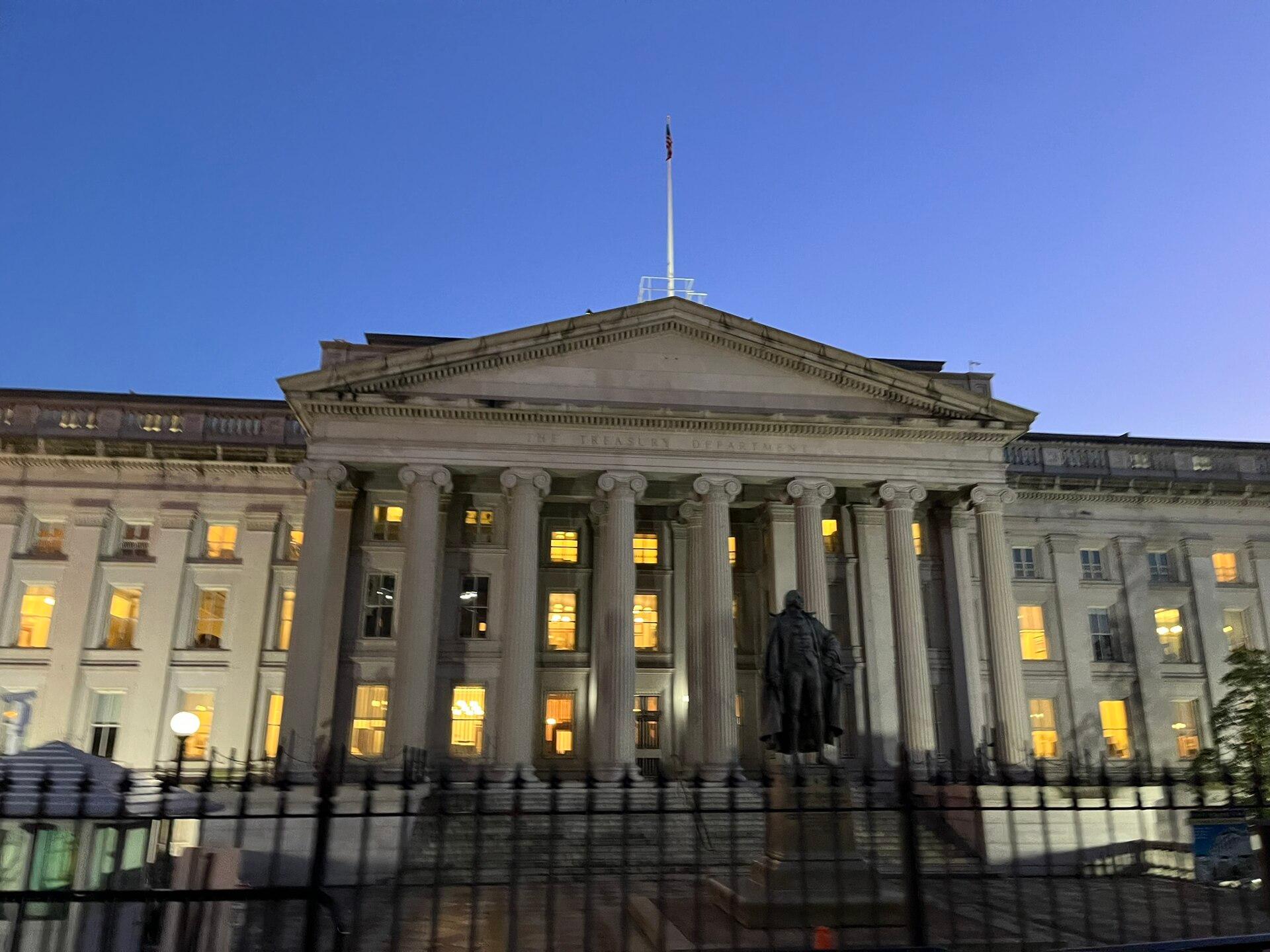
The U.S. Treasury Department has moved to cut one of the world's larger offshore crypto exchanges off from the American financial system. On Friday, November 6, the Financial Crimes Enforcement Network (FinCEN), Treasury's anti-money-laundering bureau, issued a final order finding that MEXC Global is a "primary money laundering concern in connection with Russian illicit finance," according to Bitcoin Magazine, which reviewed the order.
Once the order takes effect, U.S. banks, payment processors and other covered financial institutions will be barred from sending or receiving any funds transfer to or from MEXC, including transfers of cryptocurrency. Institutions that willfully break the ban face civil or criminal penalties.
What Treasury says MEXC did
FinCEN acted under Section 9714(a) of the Combating Russian Money Laundering Act, the same tool it used against the Russia-linked exchange Bitzlato. Treasury presented the step as part of an effort it calls Operation Economic Outcast. The figures below are Treasury's own allegations and have not been tested in court:
- At least $16 billion in illicit transactions between May 2021 and May 2026.
- Nearly $1.5 billion tied to evading Russian sanctions.
- About $1 billion in direct traffic with more than 40 Iranian crypto exchangers, and about $22 million linked to Iran's central bank and the Qods Force of the Islamic Revolutionary Guard Corps.