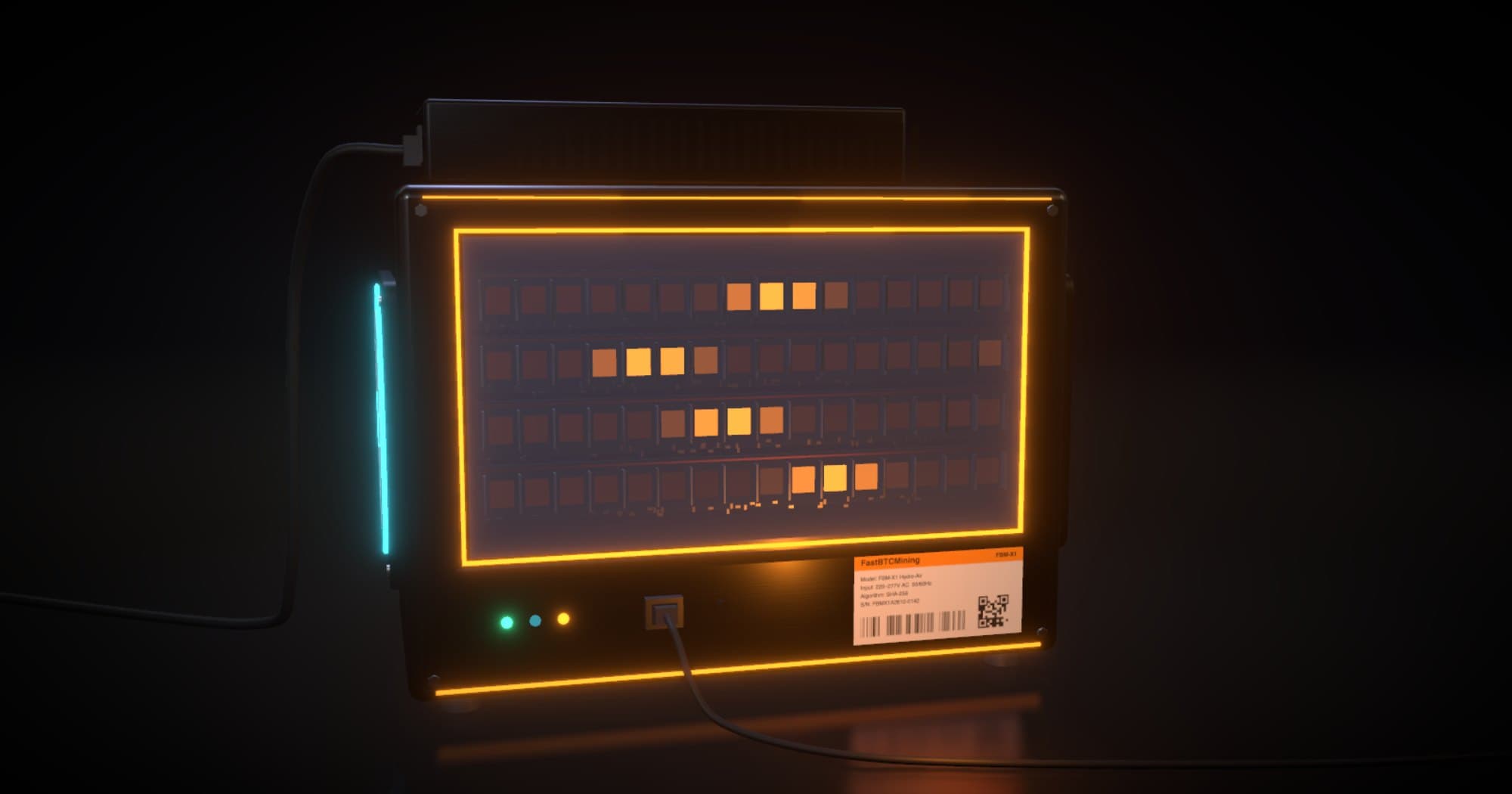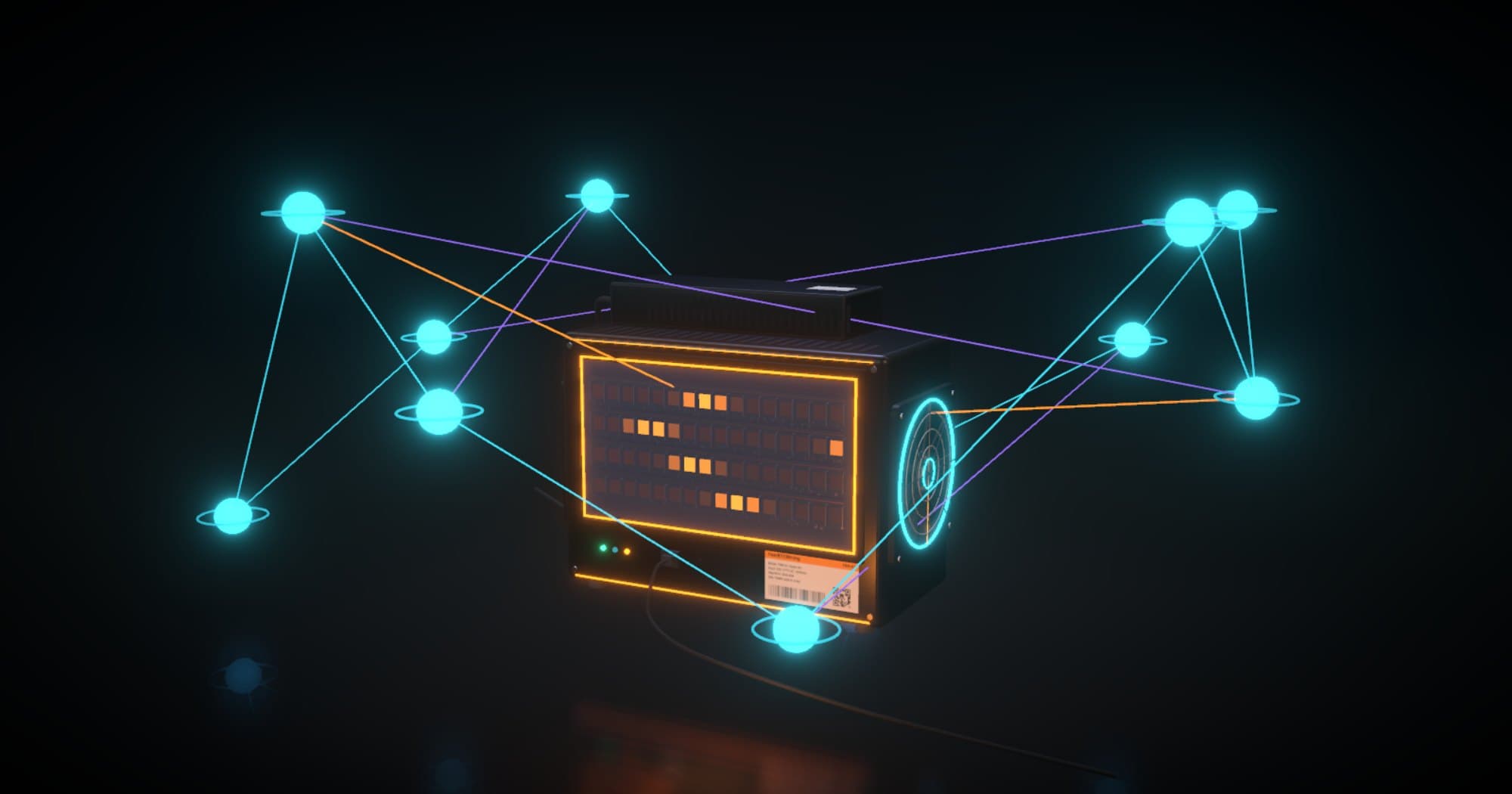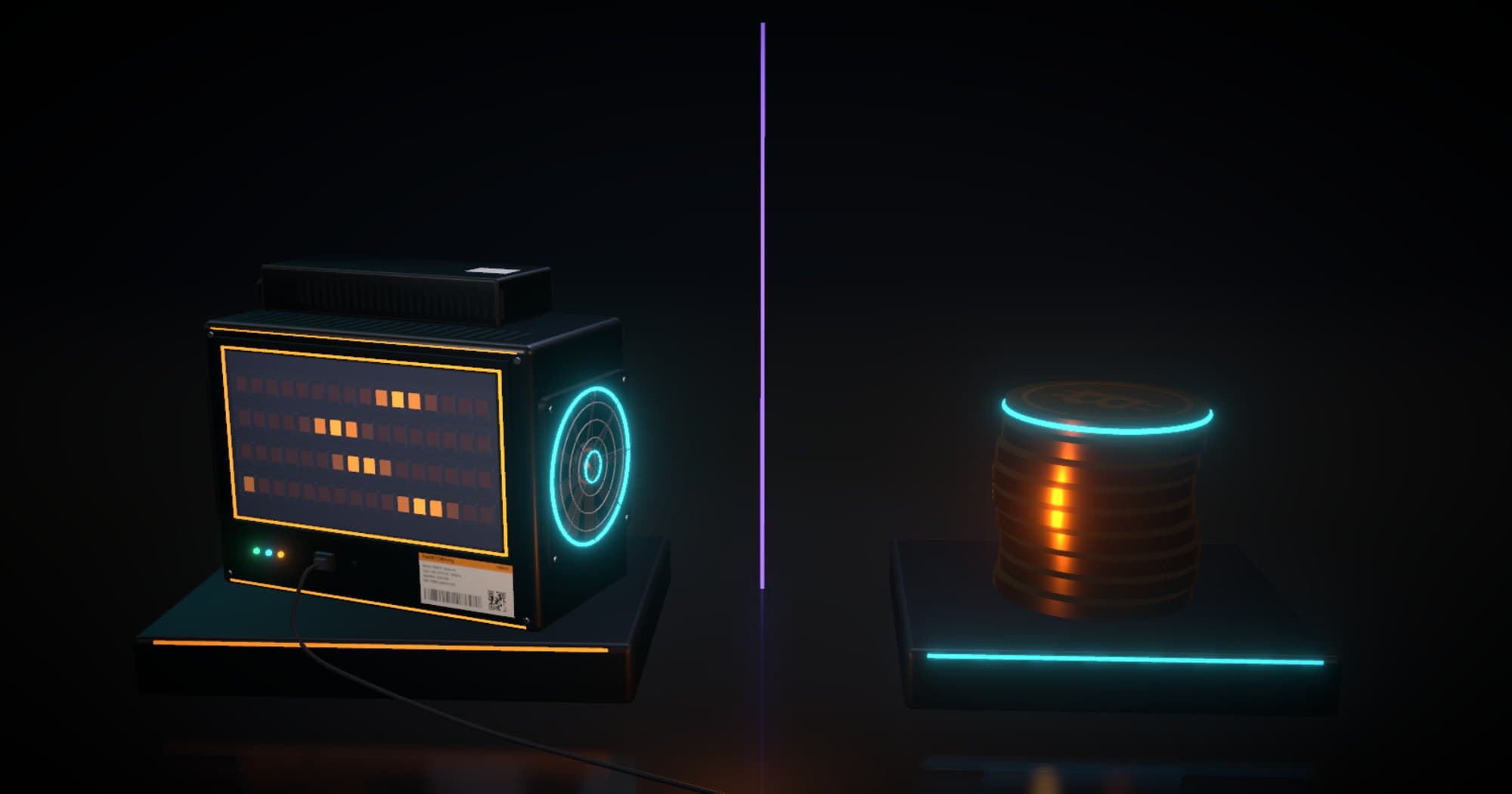
A Bitcoin miner turns electricity into hashes, and every single watt it uses ends up as heat. Multiply one machine's 3.5 kW by thousands, and a mining farm becomes one of the hardest cooling problems in computing. How operators solve it shapes what hardware they can run, how hard they can push it and where they can build. Here are the three main approaches.
Key takeaways
- A miner is effectively a space heater that computes: almost 100% of its power becomes heat.
- Air cooling is simple and cheap to build, but loud, dusty and limited by outdoor temperatures.
- Hydro cooling runs water through plates on the chips, packing more hashrate into less space and making heat reuse easier.
- Immersion cooling sinks machines in a non-conductive liquid, removing fans, dust and noise, and allowing machines to run harder.
Why heat is the real enemy
ASIC chips have a comfortable operating range. Run them too hot and they throttle, make more errors or fail early. A flagship air-cooled machine like the Antminer S23 draws about 3,500 W, and as we explain in Inside an ASIC Miner, that energy has nowhere to go but out as heat.
At farm scale, cooling decides three things: uptime, because overheated machines go offline; lifespan, because heat wears out components; and density, how much hashrate fits in a given building.
- Share of a miner's power that becomes heat
- ~100%
- Share of a miner's power that becomes heat
- Heat from one flagship air-cooled miner
- ~3.5 kW
- Heat from one flagship air-cooled miner
- Noise of an air-cooled machine, fans at work
- ~75 dB
- Noise of an air-cooled machine, fans at work
Air cooling
The classic setup. Machines sit in long rows, all facing the same way: cool outside air is pulled in on one side (the cold aisle), pushed through the machines by their fans, and exhausted on the other side (the hot aisle), often with large wall fans or evaporative pads to help.
- Pros: cheap to build, easy to maintain, works with standard machines.
- Cons: loud, dusty, and dependent on the weather. A heat wave can force machines to slow down or stop.
That is why many air-cooled farms are built in cooler climates, or in places where cheap power makes the trade-off worthwhile.
Hydro cooling
Hydro-cooled miners replace fans with cold plates: metal blocks fixed to the hash boards, with water or coolant flowing through them. The warm liquid is pumped to dry coolers or heat exchangers outside, then returns.
- Pros: much higher density, near-silent operation, stable temperatures year-round, and warm water that can be reused to heat buildings or greenhouses.
- Cons: more expensive infrastructure, plumbing to maintain, and machines designed specifically for liquid cooling.
Immersion cooling
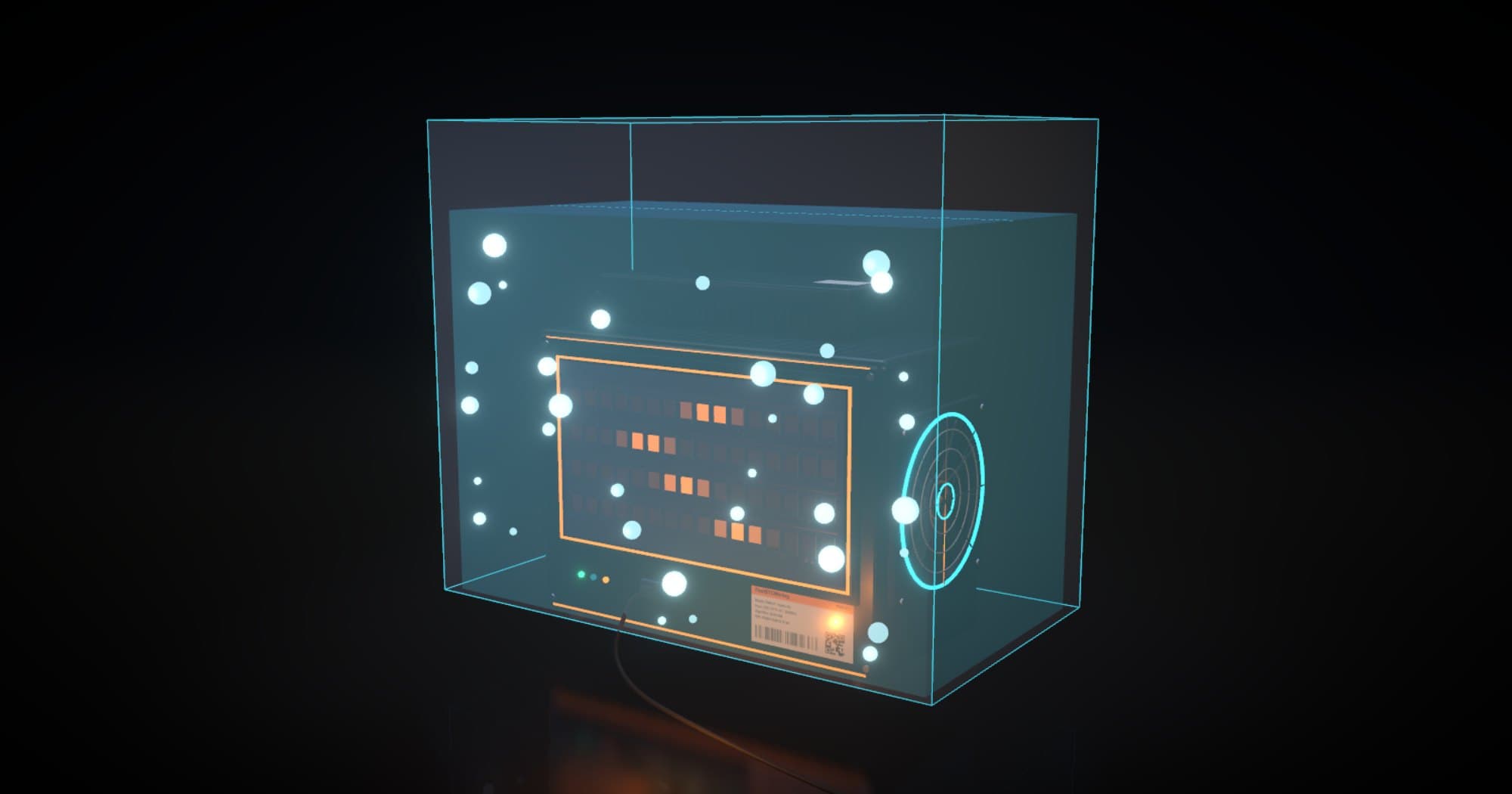
In immersion cooling, machines have their fans removed and are lowered into tanks filled with a dielectric fluid: a liquid that does not conduct electricity. The fluid absorbs heat directly from every component and is circulated to a heat exchanger.
- Pros: excellent, even cooling; no dust or humidity; almost no noise; and enough thermal headroom to overclock machines safely for more hashrate.
- Cons: the tanks, fluid and heat exchangers are costly, and servicing a machine means lifting it out of the liquid.
Overclocking and efficiency
Pushing a machine harder raises its hashrate but usually worsens its efficiency in joules per terahash. Operators overclock when power is cheap and underclock when it is expensive, a flexibility that better cooling makes possible.
Heat as a resource
Because mining heat is steady and predictable, some operators put it to work: warming greenhouses, drying timber, heating water for buildings or feeding district heating networks. It does not change how much energy mining uses, but it means the same kilowatt-hour does two jobs. We look at the broader energy picture in Bitcoin Mining and Energy.
What it means for home miners
At home, cooling is often the hardest part. A single air-cooled ASIC heats a room fast and sounds like a vacuum cleaner that never stops. Some home miners vent the hot air outdoors or use hydro kits; others decide it is simply not worth it, a trade-off we compare in Cloud Mining vs. Running an ASIC at Home.
Frequently asked questions
Why do Bitcoin miners get so hot?
Because nearly all the electricity they consume is converted into heat as the chips compute hashes. A 3.5 kW miner produces about as much heat as two or three space heaters.
Is immersion cooling better than air cooling?
It cools more evenly, removes noise and dust, and allows overclocking, but it costs more to build and maintain. Air cooling remains common where power is cheap and the climate is cool.
Can the heat from mining be reused?
Yes. Hydro and immersion setups in particular produce warm liquid that can heat buildings, greenhouses or water, which some operators use as an extra source of income.
This article is for general information only and is not financial, investment, legal or tax advice. Mining rewards depend on network difficulty, block rewards and the price of Bitcoin, and are not guaranteed.